Homeless Shelters
How We Serve
Homeless Shelters
Everyone deserves a safe place to rest, rebuild and move forward. Our doors are open every night—for men, women, children, veterans or families experiencing homelessness or housing instability.
At The Salvation Army we believe every person is of equal value, we are committed to meeting human needs without discrimination. As a community-centered nonprofit serving nearly every ZIP code in America, our local teams design programs that fit the specific needs of their neighbors.
Why a shelter matters
When you don’t know where you’ll sleep tonight, every hour of safety counts. Homelessness can happen to anyone—job loss, a medical crisis, family breakdown or rising rents can make it a reality. That’s why The Salvation Army’s shelter services don’t just offer a bed. They offer hope, stability and a path to recovery.
Key statistics:
- In 2024, The Salvation Army provided 10,075,059 nights of shelter across the U.S..
- Tens of thousands of individuals and families received permanent-housing assistance in the same year.
- We operate emergency shelters, transitional living centers and long-term housing supports in hundreds of communities.
How Our Shelter Services Work
Emergency Shelters
When there is no safe place to sleep tonight, our emergency shelters provide:
- A warm bed and secure shelter from the elements
- Nutritious meals, clean showers and hygiene essentials
- A welcoming environment where staff walk alongside you with dignity and care
Transitional Housing & Support
Our temporary programs are designed to move people from shelter into stability by offering:
- Case management and personalized planning
- Job-readiness, budgeting and life-skills training
- Child care support or referrals for family-based services
- Partnering with local agencies to meet community-specific needs
Permanent Supportive Housing
To help end homelessness for good, in some locations we provide long-term housing solutions anchored by ongoing support:
- Supportive facilities and income-based apartments for seniors, affordable work-housing options for vulnerable young adults, and dedicated apartment communities for adults and families with children who are experiencing homelessness
- On-site or connected services like mental-health support, substance-use referral, employment help
- A focus on dignity, independence and connection
Outreach & Community Partnerships
We don’t wait for someone to show up. At some cities, our outreach teams:
- Connect with people on the streets, in encampments or shelters
- Work with local governments, nonprofits, churches and Continuums of Care
- Open cooling and warming centers in extreme weather
- Collaborate on prevention initiatives that reduce the chance of someone entering homelessness
Types of Shelters We Provide
Because every person’s situation is different, The Salvation Army offers a range of shelter types designed to meet specific needs. These programs are available in communities across the country, and this page will link to each for more information.
Women’s Shelters
Safe, confidential shelters for women experiencing homelessness, domestic violence, economic instability, or crisis.
Services may include: secure housing, meals, case management, trauma-informed care, and referrals for medical or mental-health support.
Our goal is to provide safety, dignity, and a personalized path toward long-term stability.
Men’s Shelters
Shelters for men facing homelessness due to job loss, health challenges, aging, re-entry transitions, or economic hardship.
Programs may offer: overnight beds, meals, workforce support, financial planning, and access to community resources.
Many centers also assist with employment and housing navigation.
Youth Shelters
Supportive shelters for young people—including teens and young adults—who are experiencing homelessness, aging out of foster care, or leaving unstable environments.
Youth programs focus on: safety, education support, mentoring, life-skills training, and long-term housing planning.
Staff provide compassionate, developmentally appropriate support to help youth stabilize and thrive.
Emergency Shelters
Our emergency shelters operate year-round to meet urgent needs—especially during nights when temperatures or conditions are unsafe.
Emergency shelter services include: a warm bed, meals, hygiene items, crisis intervention, and immediate support from trained staff.
Emergency shelters are often the entry point into transitional housing and long-term recovery programs.
Who We Serve
We serve individuals and families experiencing homelessness or at imminent risk. This includes:
- Single adults (men or women)
- Families with children
- Youth and young adults transitioning out of foster care or unstable housing
- Veterans, seniors and low-income households seeking stability
Every person is treated with compassion, respect and without stigma.
Want to Help? Your Role Matters
Homeless shelters face challenges like limited funding, high demand for beds, and rising unsheltered homelessness. HUD’s 2024 Annual Homeless Assessment Report notes a 12% increase in people experiencing homelessness in 2023, adding pressure on shelter and outreach teams. Many shelters also support guests with medical, mental-health, or documentation needs while navigating a shortage of affordable housing.
Your donation or volunteer time makes a real difference.
- Donate: A gift provides a bed, meals and vital support for someone tonight.
- Volunteer: Serve meals, mentor, support case-management or administrative tasks.
- Learn more / Partner: Community organizations, employers and foundations are welcome to collaborate.
“There are people in your community who need help putting a roof over their heads tonight.”
Impact Story
Larry in Dallas
“All my concerns about my immediate needs were melted away after just a few minutes inside the door. I was given a safe place to sleep, it was warm, comfortable and I could shower. From being homeless to getting an apartment—it started right here at The Salvation Army.”
Such stories show the power of shelter + support.
Why It Works: The Salvation Army Approach
We combine national scale and local presence, enabling us to:
- Meet the biggest immediate need—safe lodging—with urgency
- Provide holistic support (life-skills, case management, recovery)
- Operate with outcomes, data and partnerships for long-term stability
As noted in our 2024 annual report: “10,075,059 nights of shelter … meeting human needs without discrimination.”
FAQs
Q: What is the difference between emergency and transitional shelters?
A: Emergency shelters focus on immediate safety—somewhere to sleep tonight. Transitional shelters provide a longer stay with guidance, life-skills support, and a plan to help individuals or families move into permanent housing.
Q: Who is eligible for The Salvation Army homeless shelter services?
A: Our shelters serve anyone experiencing or at risk of homelessness—single adults, veterans, families or youth. Most centers require registration and may have age, gender or program-focus guidelines (e.g., family units, veterans).
Q: Do I need to have a job or history of substance-use treatment to get shelter?
A: No. We welcome those in crisis first. Case management and support services (job help, treatment referral) are part of many programs—but you don't need to meet those first to get a safe bed tonight.
Q: How long can I stay in a shelter?
A: Length of stay varies by location and program. Emergency shelters often provide nights of lodging while you work with staff on transition. Transitional and supportive housing may offer longer-term stays while stability is gained. Contact your local chapter for specifics.
Q: Are the services only for individuals who are "chronic homeless"?
A: No. While we serve those experiencing long-term homelessness, we also respond to individuals or families newly displaced, evicted, or at imminent risk of losing housing. Our goal is to prevent long-term instability.
Q: How does donating or volunteering help?
A: Every donation helps fund beds, meals, case management and housing support. Volunteering adds critical capacity—meal service, mentoring, administration, outreach—for every local shelter. Together, we help provide the "nights of shelter" that the data counts.
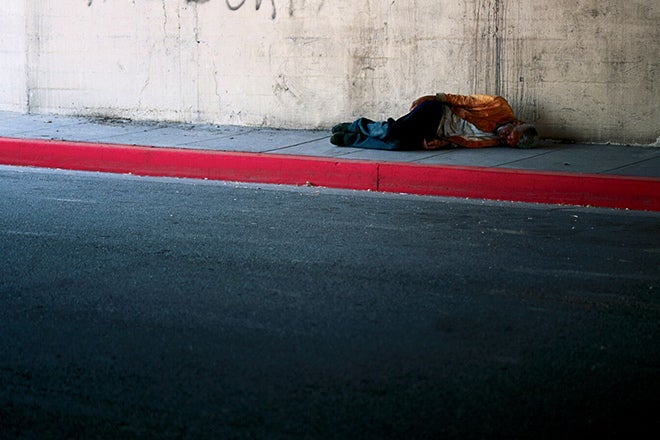
Homelessness can happen to anyone.
Stats
10,075,059
nights of shelter were provided in 2024
75,251
individuals and families received assistance and help with permanent placing/housing in 2024
302
Salvation Army Emergency Shelters across the United States
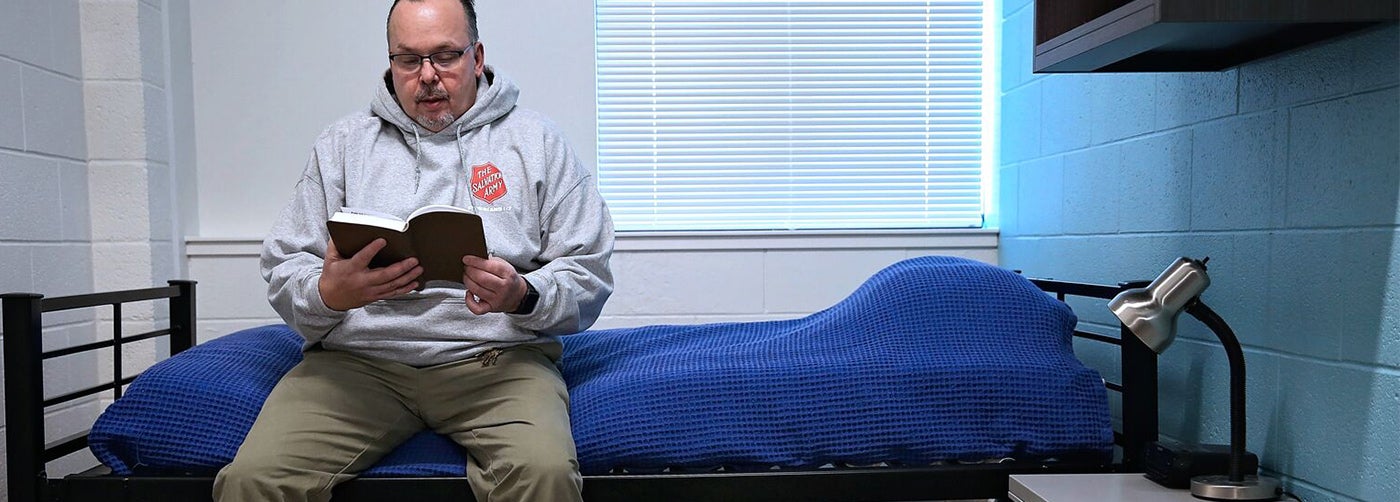
Give the Gift of a Good Night's Sleep. You Can Help.
There are people in your community who need help putting a roof over their heads tonight. Your donation to The Salvation Army can help neighbors in need access homeless shelters all year long.
Other Services