Youth Homelessness Looks Different: What It Means to Be Unhoused Before 25
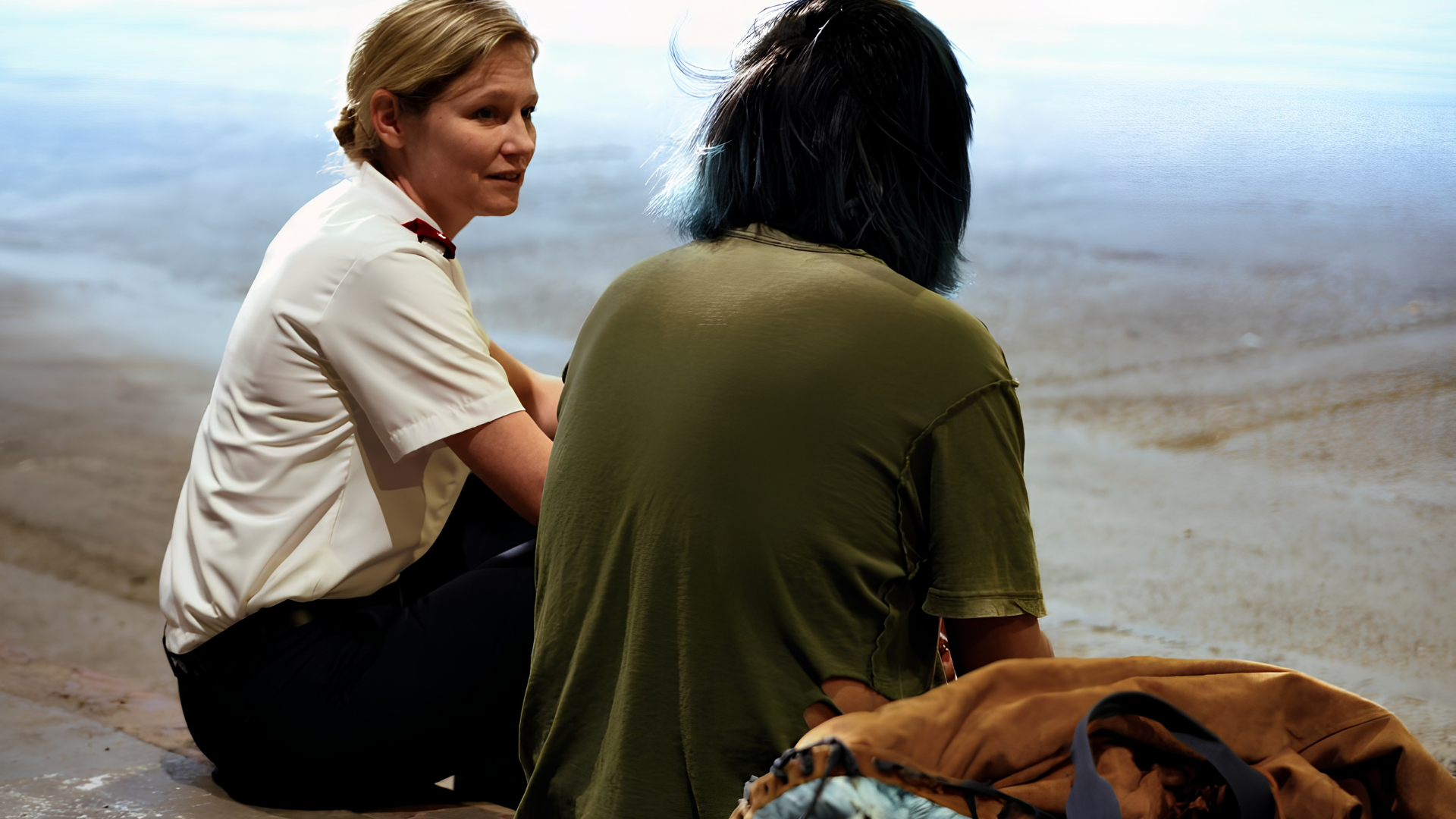
Youth homelessness rarely looks like sleeping in a city park or holding a cardboard sign. It’s more likely to be someone sleeping on a friend’s couch, living in a car, or staying up all night in a 24-hour restaurant because they have nowhere safe to go.
The reality of being unhoused under the age of 25 is quieter—and often more hidden—than the public tends to realize.
Unseen, but Not Uncommon
According to a report from the University of Chicago’s Voices of Youth Count project, roughly 4.2 million young people experience homelessness each year in the U.S. This includes minors under 18 and young adults up to age 24.
Yet many don’t show up in the data. Young people often avoid shelters, fear systems that have failed them, or don’t identify as “homeless” even when they’re staying in unstable or unsafe places. Instead, they rely on friends, acquaintances, or even strangers to temporarily survive—until those options run out.
This form of “couch surfing” or informal housing is rarely counted in official homelessness numbers, but it can be just as dangerous.
How Youth Become Unhoused
There’s no single reason why young people lose stable housing. Sometimes it’s family conflict or poverty. Other times, it’s aging out of foster care, fleeing abuse, or surviving a crisis with no support system in place.
In many cases, young people become homeless because they run out of safe places—not because they made poor choices.
The Unique Risks Youth Face
Being unhoused at 16 or 22 doesn’t just mean going hungry or losing sleep. It often means trading safety for shelter, missing school, losing contact with supportive adults, or facing exploitation. Youth experiencing homelessness are at greater risk of:
-
Human trafficking
-
Mental health challenges
-
Early pregnancy or parenting without support
-
Violence and survival-based decision-making
They’re also less likely to access public services built for adults, and more likely to distrust those systems.
How The Salvation Army Supports Unhoused Youth
In our outreach, we see firsthand how youth homelessness requires a tailored approach. Emergency shelter alone is not enough.
At Salvation Army Youth Shelters, we focus on meeting each young person’s immediate needs while also supporting their next steps forward. Upon arrival, individuals are welcomed with access to essentials like food, hygiene items, and clothing.
Depending on the shelter location, additional services may include:
-
Assistance exploring safe housing options
-
Mediation and support to help repair relationships with family or trusted adults
-
Health and wellness referrals
-
Access to education and life skills programs
-
Legal advocacy
-
Personalized case management
-
Voluntary opportunities for spiritual care, including Bible study
For instance, The Salvation Army Children’s Shelter in Kansas City, Missouri offers a safe haven for children removed from their homes due to crisis, abuse, or neglect, providing compassionate counseling and support from licensed professionals.
In Los Angeles, The Way In has become a lifeline for youth experiencing homelessness by offering not only shelter and transitional housing but also education, life skills, and specialized care for LGBTQ youth navigating life on the streets.
In Syracuse, our network of shelters and youth residences welcomes more than 2,000 teens each year, helping young people who cannot return home find stability, community, and a path forward.
Our goal is to provide stability in the short term while offering the resources youth need to build toward a more secure future.
Why Awareness Matters
Youth homelessness often goes unseen, making it harder to fund and expand the services that help. When we recognize how this crisis plays out differently for young people, we’re more likely to reach them before the risks deepen.
These are not future adults. They are present-day neighbors. They’re classmates, co-workers, and siblings. Some are full-time students. Some are parents. All of them deserve to be seen and supported with care that understands what they’re facing. Here’s how you can make a difference to the young people in your own community.