Preparing Kids for Separation Anxiety Before Summer Camp
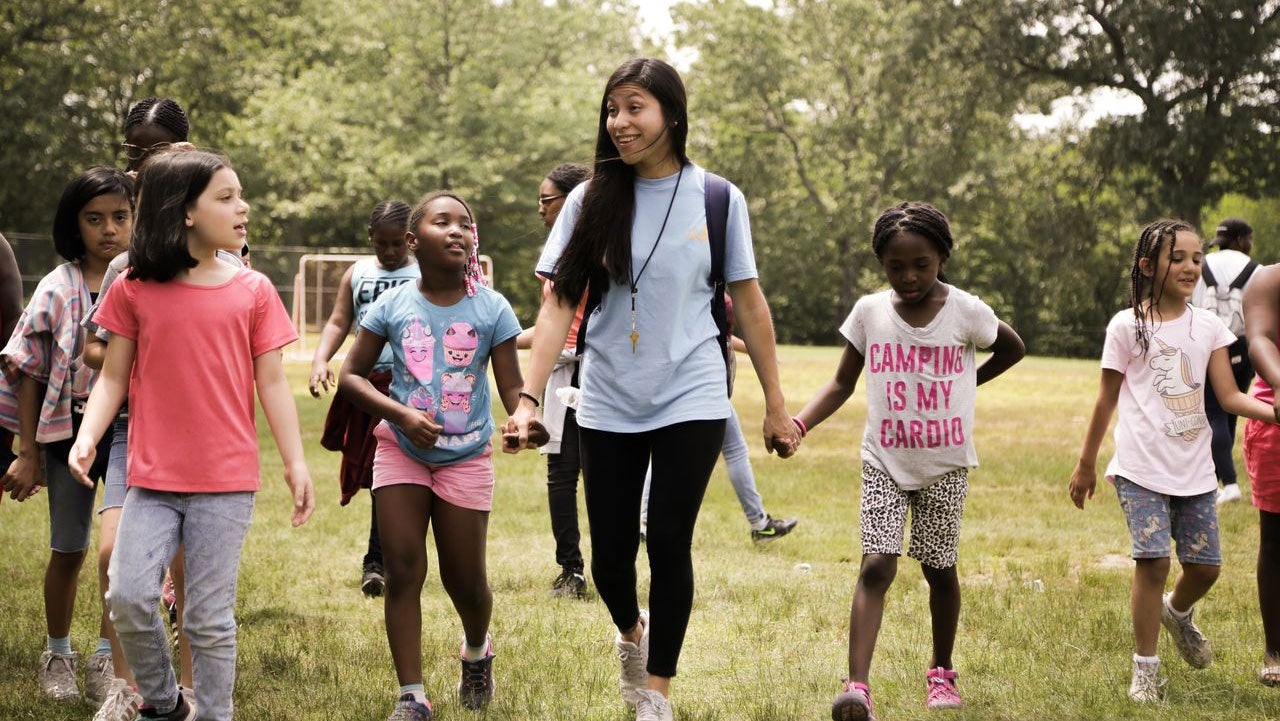
The bags are packed. The forms are signed. Camp is just around the corner.
And then it hits—nervousness, hesitation, maybe even a few tears.
For many families, the days leading up to summer camp bring a mix of excitement and anxiety. That feeling has a name: separation anxiety. And it’s more common and more manageable than most people realize.
Why Separation Anxiety Shows Up Before Camp
Separation anxiety is a natural response to change, especially when that change involves being away from familiar people and routines.
For kids heading to camp, that often means stepping into a new environment, meeting new people, and, in some cases, sleeping away from home for the first time.
Research has consistently shown that homesickness and anxiety are common in camp settings, particularly for younger children or those attending for the first time. The encouraging part is that these feelings are typically temporary and tend to fade as children adjust and begin to feel more comfortable.
Why a Little Anxiety Isn’t a Bad Thing
It can be difficult to watch a child feel nervous, but a certain amount of anxiety is actually part of healthy development.
Experiences like summer camp give children the opportunity to build independence, practice coping skills, and navigate unfamiliar situations in a supported environment. Over time, those moments of uncertainty often become the foundation for confidence.
Structured settings like camp are especially effective because they allow children to face new challenges gradually, while still feeling supported.
What Research Tells Us About Camp and Emotional Growth
Summer camps aren’t just memorable—they’re meaningful.
Studies from the American Camp Association have shown that camp experiences can support:
-
Greater confidence and independence
-
Stronger social skills and friendships
-
A deeper sense of belonging
Additional research has also linked structured summer programs to improvements in emotional well-being, particularly for children navigating stress at home or school.
How Families Can Help Kids Prepare
Preparation doesn’t have to be complicated, but it does make a difference.
Talking through what camp will look like—where they’ll sleep, what their day might include, and who they can turn to for help—can reduce uncertainty and make the experience feel more familiar.
It can also help to practice small periods of time apart before camp begins. Sleepovers or time with trusted adults can give kids a chance to build confidence in manageable steps.
Just as important is how those feelings are handled. Letting kids know it’s okay to feel nervous—and that those feelings are normal—can go a long way. Instead of brushing concerns aside, acknowledging them helps children feel understood and supported.
Shifting the focus toward what they’ll gain can also help reframe the experience. Camp is an opportunity to make new friends, try new activities, and discover new strengths.
What Supportive Camp Environments Do Differently
The best summer programs don’t try to eliminate anxiety—they’re designed to help children move through it.
Strong camp environments provide structure, consistency, and encouragement from trained staff who understand how to support kids through moments of uncertainty. They create spaces where children feel included early on and where connection is part of the experience from the beginning.
That combination—structure, support, and belonging—is what allows anxiety to shift into confidence.
Why This Matters Even More for Kids in Need
For most children, separation anxiety is about being away from home for the first time.
But for kids facing financial hardship, housing instability, or other challenges, those feelings can be more layered.
Some may already be navigating uncertainty at home, disrupted routines, or higher levels of stress at a young age. In those cases, the idea of leaving what’s familiar—even temporarily—can feel especially overwhelming.
At the same time, camp represents something entirely new. A different environment, new expectations, and unfamiliar social settings can make the transition feel even bigger.
But that’s also what makes the experience so meaningful.
How Salvation Army Camps Support the Transition
This is where The Salvation Army summer camps are intentionally built to meet kids where they are.
These programs go beyond recreation. They’re designed to create a sense of safety, stability, and belonging—especially for children who may not always have consistent access to those experiences.
That support shows up in a few key ways:
-
Consistent routines that help create stability
-
Caring, trained staff who support children through change
-
An environment focused on inclusion and belonging
For many children, it’s their first time experiencing a space where they can relax without added stress—where they can simply be kids.
From Uncertainty to Confidence
With the right support in place, what begins as hesitation often starts to change.
Children begin to build trust in their surroundings. They form friendships. They try new things. And over time, they start to see themselves differently, not just as someone who felt nervous, but as someone who was capable.
For kids who may not always have access to those kinds of experiences, that shift can be especially powerful.
Helping Kids Take the First Step
Separation anxiety doesn’t mean a child isn’t ready. In many cases, it means they’re stepping into something new—and important.
With the right preparation and the right support, summer camp becomes more than just a fun experience.
It becomes the moment a child realizes:
“I can do this.”
Help a Child Experience Summer Camp
If you’d like to help make these experiences possible, your support can go a long way. Donations help provide meals, transportation, supplies, and access for children who might not otherwise have the opportunity to attend.