More Than Campfires: Why Safe Summer Spaces Are Critical for Kids
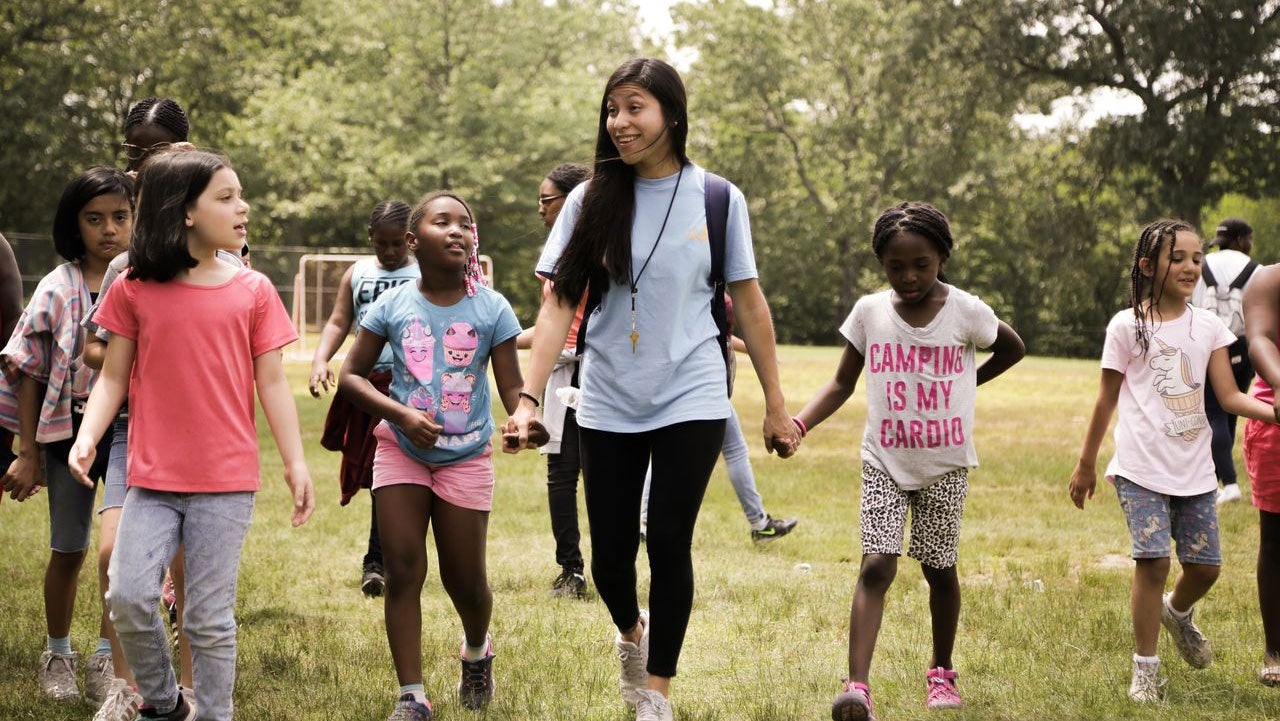
When school lets out, a lot of kids look forward to a season of fun, friends, and new experiences. But for millions of children, summer brings something very different—less structure, fewer meals, and fewer safe places to go.
That's why safe, supportive summer spaces aren't just nice to have. They're essential.
Why Summer Can Be a Risky Time for Vulnerable Kids
During the school year, kids have built-in routines—regular meals, supervision, learning, and social interaction. When that structure disappears, the gaps show up fast.
Research from organizations like the U.S. Department of Education shows that summer months can lead to:
- Learning loss, especially in reading and math
- Increased food insecurity
- Less adult supervision
- Greater exposure to unsafe environments
For families already under financial stress, summer can quietly become one of the hardest times of the year.
Safe Spaces Do More Than Keep Kids Busy
Great summer programs don't just fill time—they change trajectories.
A safe environment gives kids not only stability when routines disappear and positive role models and mentors, but they also offer safe spaces to build social skills and emotional support during otherwise unstructured times.
For many kids, this is where something shifts—where they gain confidence to try something new and simply feel safe enough to relax.
The Power of Being a Kid—Without Stress
One thing kids need—but don't always get—is the chance to just be kids.
For children dealing with housing instability, financial stress, or difficult home environments, summer camps can offer a break from worry and a real sense of belonging.
That reset matters. And the impact often lasts long after summer is over.
What Makes Salvation Army Summer Camps Different?
The Salvation Army summer camps are built around more than just activities—they're designed to support the whole child.
Across the country, these camps combine access, safety, mentorship, and personal growth in a way that's hard to find elsewhere.
Here's what that looks like in practice:
- Access for Kids Who Might Otherwise Miss Out
Many Salvation Army camps are free or very low-cost, so families don't have to choose between paying bills and giving their kids a summer experience.
At programs like Camp Daley in California, kids can attend for as little as $25 a week—including transportation, meals, and activities, all thanks to donor support.
Across the U.S., camps are intentionally designed to be accessible regardless of income, so cost isn't the reason a child misses out.
- A Safe, Structured Environment
Safety here goes beyond supervision. It's about helping kids finally exhale.
At places like Wonderland Camp and Conference Center in Wisconsin, kids experience consistent meals, trusted adults, and an environment where they don't have to be on guard—sometimes for the first time.
That kind of stability can make a bigger difference than any single activity.
- Whole-Person Development
Our summer camps are intentionally structured to help kids grow.
At Camp Hoblitzelle in Texas, kids build confidence and social skills through activities that support them mentally, physically, and emotionally.
From outdoor adventures to creative programs, everything is designed to help kids discover what they're capable of.
- Caring Mentors and Community
Lasting summer camp memories are more often about the people, not the activity.
The Salvation Army's Camp Rappahannock in Virginia makes room for kids to form real friendships, connect with mentors, and experience what it feels like to be supported and encouraged.
Those relationships can stick with them long after camp ends.
- Support That Extends Beyond Summer
For many families, camp is part of a larger support system, not just a one-time experience.
The Salvation Army runs dozens of residential camps and hundreds of day camps across the country, serving thousands of children each year. And many of those kids' families are also connected to year-round services like food assistance, after-school programs, and mentorship.
That consistency is what helps turn a great summer into long-term impact.
Why This Matters
No matter the location, the approach is the same: remove barriers, create safety, build confidence, and surround kids with people who care.
For some kids, camp is their first time leaving their neighborhood.
For others, it's the first time they feel truly safe.
And for many, it's where something starts to change for the better.
Help a Child Experience a Salvation Army Summer Camp
If you'd like to help make these experiences possible, your support can go a long way. Donations help provide meals, transportation, supplies, and access for children who might not otherwise have the opportunity to attend.
FAQ
Q: What are summer programs for kids?
A: Summer programs are structured camps and activities that give children a safe place to go, meals, supervision, and opportunities to learn and grow while school is out.
Q: Why are summer programs important for kids?
A: Summer programs provide structure, safety, and support when school is out, helping prevent learning loss, food insecurity, and social isolation.
Q: What are the benefits of summer camps for low-income children?
A: They offer safe environments, meals, mentorship, and opportunities to build confidence, social skills, and independence.
Q: Are Salvation Army summer camps free?
A: Many The Salvation Army camps are free or low-cost, with scholarships and donor support ensuring access regardless of ability to pay.
Q: What do kids do at Salvation Army summer camps?
A: Activities include outdoor recreation, sports, arts, team-building, and skill-building programs designed to support emotional and social growth.
Q: How do summer camps support kids' mental health?
A: Camps provide stability, reduce stress, encourage connection, and create safe environments where kids can build confidence and feel supported.