Social Services Information
Tacoma Corps Social Services Information Information
Tacoma Corps Community Center’s Social Service Information
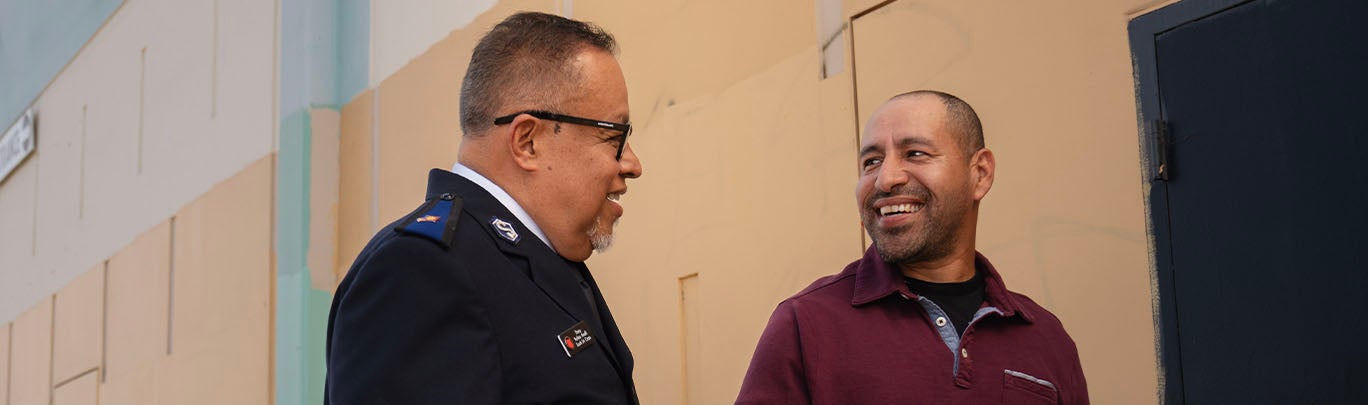
The Salvation Army in Tacoma is committed to seeing lives change. We want every person to take an active part in writing their own story - knowing their worth and value, contributing to the community, and helping others to do the same.
The Tacoma Salvation Army Social Service office is open Monday - Friday from 9 am - 3 pm and closed from 12 pm - 1 pm for a meal break.
The Hope Market
Our client-choice Hope Market food pantry is open Monday, Tuesday, and Thursday from 10 am - 1:00 pm. Community members seeking nutritious food may use the food pantry once a month, and an ID is not required. To learn more, visit our Tacoma Hope Market page.
Click here for a list of food pantries in our area.
The Jarvie Memorial Family Lodge
The Jarvie Memorial Family Lodge has provided shelter in Tacoma since 1983. Currently able to host up to 14 families for up to 90 days, the shelter provides a safe, private space for families to stabilize during times of crisis. Each family receives dedicated case management to help identify and overcome barriers that have contributed to their housing instability. Goals are identified and worked on together so that families can move toward a housing solution by the end of their 90 days. JMFL provides families with three meals a day, laundry, life skills classes and more.
Intake to The Jarvie Memorial Family Lodge requires communication with our Case Managers; we are unable to accept walk-ins. For more information, please call 253-572-8452.
Contact Us
Will Snyder, JMFL Program Manager, william.snyder@usw.salvationarmy.org, 253-572-8452 Ext. 305
Theron Taylor, JMFL Family Case Manager, theron.taylor@usw.salvationarmy.org, 253-572-8452 Ext. 303 (Families)
Jayson Simchen, SHIELD CENTER Case Manager, jayson.simchen@usw.salvationarmy.org, 253-572-8452 Ext. 115 (Singles)
This institution is an equal opportunity provider.
In accordance with federal civil rights law and U.S. Department of Agriculture (USDA) civil rights regulations and policies, this institution is prohibited from discriminating on the basis of race, color, national origin, sex (including gender identity and sexual orientation), disability, age, or reprisal or retaliation for prior civil rights activity.
Program information may be made available in languages other than English. Persons with disabilities who require alternative means of communication to obtain program information (e.g., Braille, large print, audiotape, American Sign Language), should contact the responsible state or local agency that administers the program or USDA’s TARGET Center at (202) 720-2600 (voice and TTY) or contact USDA through the Federal Relay Service at (800) 877-8339.
To file a program discrimination complaint, a Complainant should complete a Form AD-3027, USDA Program Discrimination Complaint Form, which can be obtained online at: https://www.usda.gov/sites/default/files/documents/ad-3027.pdf, from any USDA office, by calling (866) 632-9992, or by writing a letter addressed to USDA. The letter must contain the complainant’s name, address, telephone number, and a written description of the alleged discriminatory action in sufficient detail to inform the Assistant Secretary for Civil Rights (ASCR) about the nature and date of an alleged civil rights violation. The completed AD-3027 form or letter must be submitted to USDA by: Mail - U.S. Department of Agriculture, Office of the Assistant Secretary for Civil Rights, 1400 Independence Avenue, SW. Washington, D.C. 20250-9410; or Fax: (833) 256-1665 or (202) 690-7442; or Email:
Program.Intake@usda.gov
Program Schedule
Timezone: -08:00 USA Pacific Time (DST)
Location: 1501 6th Ave
Timezone: -08:00 USA Pacific Time (DST)
Location: Tacoma Corps
Breaking the Cycle of Poverty
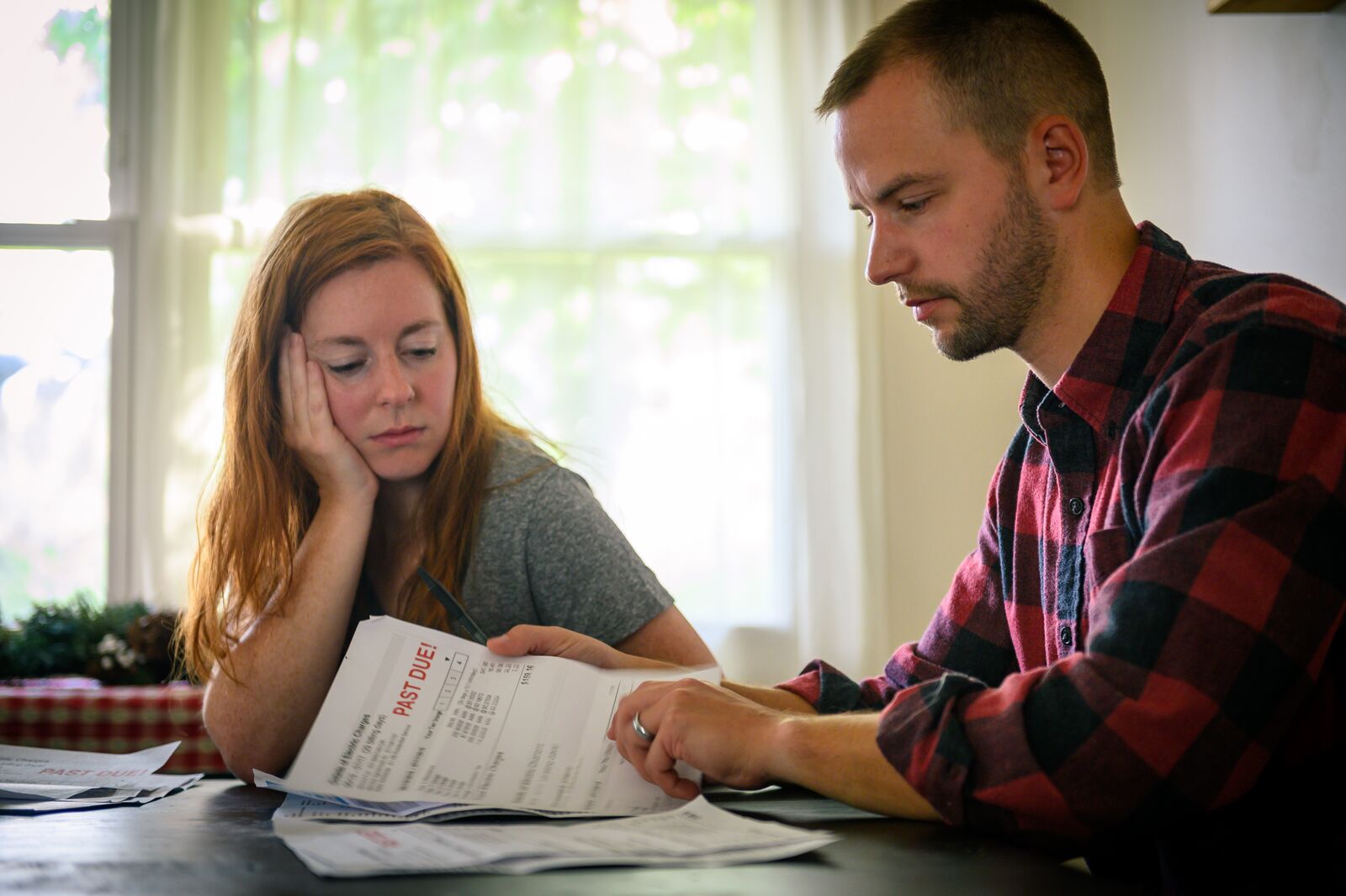
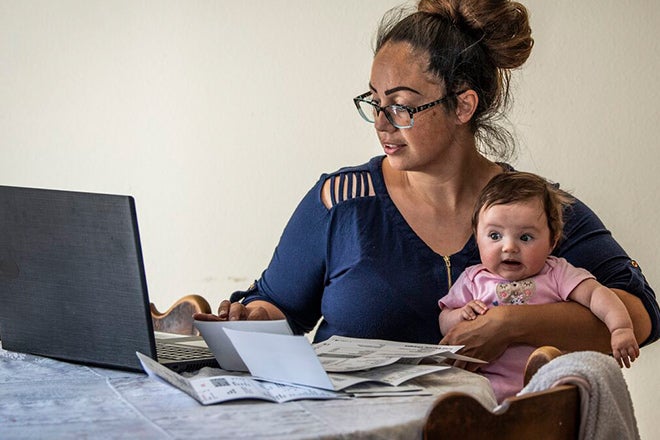
The Salvation Army’s Pathway of Hope initiative marks a pivotal shift to focusing on the core causes of poverty rather than treating the symptoms. Lack of job opportunities, unstable housing, limited access to free child care and an underserved educational environment can all be major challenges for someone looking to lead a self-sustainable life. With our help, people living in poverty can break the cycle of crisis and vulnerability and lead families down a path toward increased stability for years to come. It’s a pathway of hope for current and future generations.
Stats
14.80%
of adults in America currently live in poverty
1087
Corps Community Centers across the United States, providing localized programming to help individuals and families in their communities

Help break the cycle of poverty
Your donation is crucial for providing essential resources, like legal advice and child care assistance, offering support, and opportunities that help individuals and families break the cycle of poverty and build a better future.
Other Services