National Salvation Army Week highlights services, programs
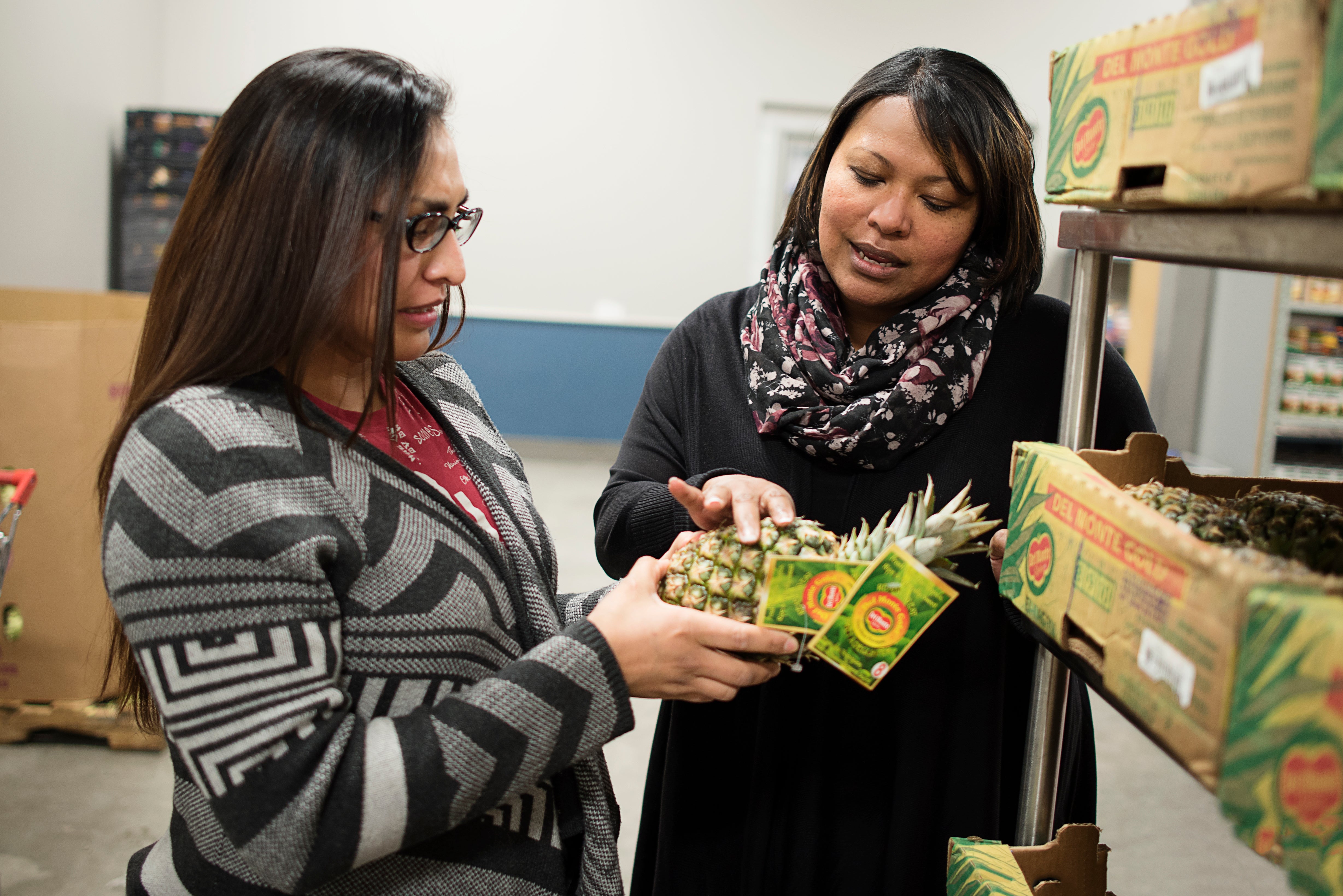
OMAHA, Neb.— National Salvation Army Week, which ran from May 11-17 this year, highlights the work our organization and volunteers do locally and nationally.
In the Omaha metro, we have an array of efforts helping people get back on their feet. That includes assisting those who are food insecure.
Tiffany McCowin, who is the Material Assistance and Seasonal Services program director, is at the forefront of that. The food pantry she oversees at the Burrows Center at 61st and NW Radial Highway is open Mondays, Tuesdays, Thursdays and Fridays.
"We have practically anything that you could purchase at the grocery store,” McCowin said. “We ensure that we have soups and we have vegetables. We have beans—canned and bagged—we have fruit that's in the can."
The Burrows Center also offers boxed dinners, macaroni and cheese, and noodles.
"The Salvation Army is here for all families and individuals when they [are going through] difficult situations," McCowin said.
Some people may need a roof over their head. That is where The Salvation Army’s housing services programs step in.
With 33 on-site, fully furnished units at Renaissance Village near 36th and Cuming streets, the transitional housing program focuses on low-income individuals and families experiencing homelessness.
"Our gold standard that we're always looking for is to be able to have people move from our program directly into permanent housing," said housing director Kyle Zinke.
The program aids them in taking those steps to independent living.
"We work with our clients on an individualized basis,” Zinke said. “We work with them on budgeting, mental health, physical health, how to housing search, how to do resumes, job hunting. Also help them if they need any type of assistance in applying for benefits."
Those on the path to improving their mental health may also find themselves without stable housing.
The Intensive Community Support program is a six-to-12-month program for people age 19 or older who have severe, persistent mental illness. Staff help clients with developing skills for maintaining sufficient housing in addition to increased mental health stability.
“Finding stable housing for individuals, helping them manage their symptoms that could be recurring, working on their financial benefits, as well as gaining more supports in the community," said Community Behavioral Health program director Erica Beisch.
We also have programs serving those who have served their country in the military.
Veterans enrolled in Community Assistance Supportive Services (VA-CASS) can spend up to two years receiving case management.
"Through that, we are able to help get them stabilized and get access to services like mental health services, chemical dependency services, and also help them reduce the housing barriers," said Behavioral Health Services Director Ree Reimers.
Elsewhere, when catastrophe strikes, The Salvation Army’s Emergency Disaster Services (EDS) team is on scene to help survivors and first responders pick up the pieces.
“We are ready and we know there is such a need when it comes to devastation and disaster that we're needed more than ever,” said EDS director Maria Moreno.
Staff and volunteers will deploy anywhere in the Western Division’s service area -- covering Nebraska, Iowa, and South Dakota with its fleet of van-like mobile canteens.
"Whether it's a blizzard, power outage, tornado—we're able to stock these vehicles with items that we may need," said EDS Coordinator Todd Connely, speaking to the food and other provisions that canteens often carry with them.
What’s more, helping younger generations become future contributing members of society is a focus of other Salvation Army programs.
"The Salvation Army here in the Omaha metro has a variety of youth programs available to the community, including archery, basketball programs, after-school tutoring, [and] general after-school care,” said Divisional Youth Secretary Lt. Melissa Christiansen. “There are great music programs available to kids in the community at all of our three corps locations across the city."
The activities help kids make memories that will last a lifetime and realize what they can achieve.
“It provides an opportunity for kids to build relationships, recognize that they have potential and to help them reach that potential,” Lt. Christiansen said.
Another key program in the metro area: our Durham Booth Manor senior-living center near 36th and Cuming streets.
“We have taken people from shelters, we have taken people who are homeless—who are living on the streets—and given them a beautiful, safe, sanitary and comfortable living environment," said Senior Independent Living Facility program director Tabitha Dreiger.
She added that the residents become like family to the manor’s staff.
These Salvation Army programs would not be possible if not for the generous support from the community.