A Dedicated Veterans Residence in St. Louis
By Patricia Sims
For many veterans, returning home after military service can be one of the most difficult battles they face. Transitioning back into civilian life often comes with challenges that include unemployment, homelessness, trauma, isolation, or strained family relationships. There may not be much of a “home” to return to at all.
Recognizing a growing need for veteran-specific housing in St. Louis, The Salvation Army Midland Division developed a dedicated Veterans Residence with 48 apartments. Working alongside the Veterans Administration, this Low-Income Housing Tax Credit (LIHTC) project officially opened in November 2012.
A three-story, $9 million facility was designed to provide veterans with dignity and stability while supporting long-term independence. The building includes one-bedroom and loft-style apartments for male and female veterans, each ranging from 411 to 450 square feet. Every apartment features a private bathroom, kitchen, and living area, along with modern appliances and quality finishes that create a true sense of home. Additional building amenities include a computer lab, laundry facilities, resident lounges on each floor, and both indoor and outdoor community spaces.
Veterans Residence includes both transitional and long-term housing. Twenty-four of the apartments are permanent independent units open to lower-income veterans in the community, while the remaining 24 are transitional housing units for veterans experiencing homelessness as well as substance use and/or mental health disorders. But most importantly, the residents have access to practical resources needed for daily life and employment opportunities.
While the building itself provides safety and comfort for all residents, the heart of the transitional program lies in the personalized support veterans receive. Upon entering the facility, each resident is paired with a case manager who provides intensive, individualized guidance. Together, they identify strengths, address barriers, and create manageable goals designed to help veterans regain independence.
For some residents, that support includes treatment for often co-occurring substance use and mental health disorders, which may include in-patient treatment provided by The Salvation Army’s Midtown Substance & Treatment Center right on the same campus. Others may need help reconnecting with estranged family members or navigating disability benefits and other community resources.
Case managers also assist with essential life skills that many people take for granted, including budgeting, grocery shopping, and maintaining routines that support long-term stability. From art therapy to financial literacy courses, veterans are given the tools to succeed. The ultimate goal is to leave the program with the tools needed to succeed including employment, financial savings, and permanent housing.
Equally important is the sense of fellowship among the residents. Veterans often find comfort in being surrounded by others who share similar experiences and understand the unique challenges of military life and reintegration.
That same sense of community is fostered at The Salvation Army’s Family Haven Shelter in St. Louis. There are 11 transitional beds dedicated to veterans, as well as a veterans’ common area. That central gathering place encourages connections, reduces isolation and creates a renewed sense of community among the veterans who stay there. It’s a place where residents can share meals, talk, and unwind with their peers after difficult days.
Recently, Cardinals Care, the official charitable foundation of the St. Louis Cardinals, awarded Veterans Residence a $5,000 grant to help improve that space through the purchase of new appliances and furniture, ensuring veterans have a welcoming and comfortable environment that feels like home.
Both The Veterans Residence and Family Haven Shelter serve as reminders that supporting veterans requires more than gratitude alone. It requires action, compassion, and resources dedicated to helping former service members rebuild their lives with dignity. Through safe housing, personalized care, and a strong support network, the program provides veterans in St. Louis with more than shelter. They create a roadmap for their future.
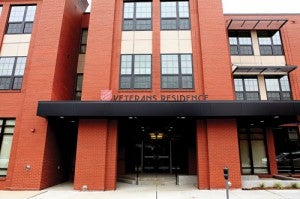
Veterans Residence in St. Louis has 48 apartments available for veterans who are struggling to achieve long-term independence.
Ways You Can Help
It’s easier than you think to support veterans who are struggling in your community. We rely on financial contributions, volunteer service, and partnerships to help provide basic necessities, opportunities, stability, and hope to those who have served our country.