One Setback Can Lead to Food Insecurity
Food insecurity doesn't always begin with long-term poverty. For many families, it starts with a single, unexpected event. A job loss. A serious illness or injury. Reduced work hours. Rising rent. One moment of disruption can quickly unravel even the most carefully balanced household budget, forcing families to make impossible choices between paying bills, buying medicine, or putting food on the table.
Millions of people who never imagined they would need help find themselves facing food insecurity after a sudden change in circumstances. These are working parents, seniors on fixed incomes, veterans, caregivers, and young adults just stating out. They are neighbors, coworkers, and friends--people who were getting by until life took an unexpected turn.
Food insecurity isn’t about poor planning or bad decisions. It's about how fragile financial stability can be when wages don't keep pace with living costs and emergencies arrive without warning. When income disappears or expenses spike, grocery money is often the first thing to go. That's when many families turn to food pantries. Not because they've failed, but because they’re doing exactly what they should do: seeking support during a rough patch.
Food Pantries Fill the Gap
People who need help getting through difficult seasons should not feel shame in asking for assistance. It doesn’t define an individual or family; it just reflects a moment in time. For most people, food bank use is temporary. It’s a bridge until their situation changes.
Salvation Army food pantries are built on dignity and compassion. They exist to meet basic human needs without discrimination. Communities thrive when people feel safe asking for support, and in turn, clients often become volunteers and donate items when their situation improves.
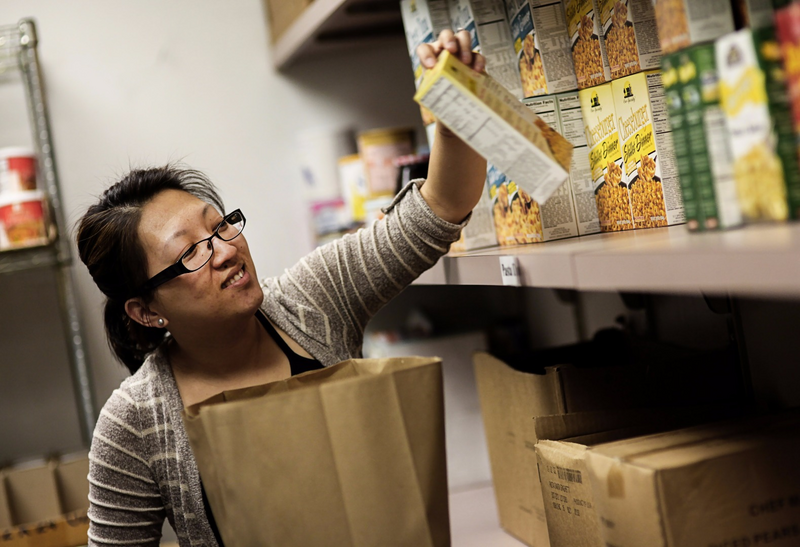
Most food pantries offer more than just groceries. They provide toiletries, household cleaning products, warm clothes and more. The staff is also knowledgeable about services other organizations offer and can make referrals. They are equipped to provide stability during crisis, relief during stress, and hope during uncertainty.
Where Do the Items Come From?
Food banks rely on a wide network of generosity and resourcefulness to keep shelves stocked and families fed.
- Individual donors contribute food and financial gifts, often during food drives, holidays, or in response to community needs.
- Farmers and home gardeners donate seasonal harvests that might otherwise go unused. This helps bring fresh, local produce to people who many not otherwise have access to it.
- Manufacturers provide excess inventory, mislabeled items, or overproduced goods that are perfectly safe and nutritious.
- Grocery stores and retailers donate items that are approaching their "best by" date or have damaged packaging but are still high quality.
If you need assistance, or would like to donate or volunteer at a food pantry, please reach out to The Salvation Army location nearest you. No judgment. No shame. Just neighbors helping neighbors until brighter days return.