From Addiction to Recovery: How The Salvation Army Helped Lisa Rebuild Her Life
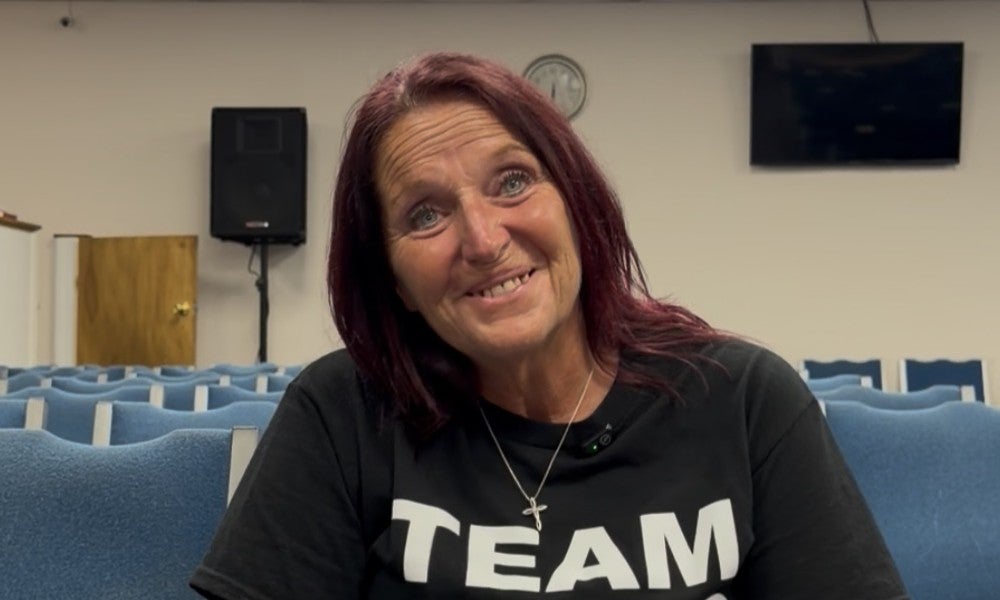
After struggling with addiction for more than two decades, Lisa found lasting sobriety, faith and purpose through The Salvation Army’s recovery and support programs
Thirteen years ago, Lisa's life looked very different.
Struggling with addiction, carrying the weight of past trauma and facing the consequences of years of substance abuse, she found herself at a crossroads. After serving 18 months in prison, Lisa entered The Salvation Army Harbor Light Center's transitional housing program, unsure of what her future would hold.
Today, she is a devoted soldier at The Salvation Army Mount Clemens Corps Community Center, as well as a leader in its faith-based recovery ministry, a mentor to youth, and a living example that recovery is possible. Her journey is one of redemption, resilience and hope.
"It feels like a second life," Lisa says when reflecting on 13 years of sobriety. "Everything before that was heavy. It was difficult. It was chaotic. This part of my life has been lighter, guided, protected and loved."
While Harbor Light provided housing and stability during a critical period, it also introduced Lisa to something she had never fully experienced before — a relationship with God.
"That's when I learned how to build a relationship with Him," she says. "I didn't understand any of that before. I learned there was freedom in that, a better way."
That experience changed everything.
What began as receiving support through The Salvation Army eventually grew into a desire to give back. Today, Lisa volunteers each week, cooking meals for youth group participants, mentoring young people and helping lead Restoration, The Salvation Army's faith-based recovery program for individuals struggling with addiction.
She understands firsthand what many participants are facing because she has walked that road herself.
One of the biggest misconceptions about recovery, Lisa says, is that addiction can be fixed quickly.
"People think someone can go to treatment for a few weeks and come out all better," she explains. "But addiction is often connected to trauma, pain and things people are trying to escape. Recovery takes time. People need support. They need someone to listen and believe in them."
For Lisa, recovery wasn't instant. She struggled with addiction for nearly 24 years before finding lasting freedom. That experience fuels her determination to never give up on others.
"I know it's possible," she says. "If somebody comes alongside who cares for you and understands what you've gone through, change is possible."
Her impact is felt throughout the corps community center. Whether she's listening to a teenager who needs guidance, encouraging someone in recovery or simply asking someone if they're okay, Lisa creates space for people to feel seen, heard and valued.
Those moments, she says, are priceless.
For individuals currently battling addiction, Lisa wants them to know they are not alone.
"There's a better way," she says. "When you're stuck in addiction, you don't know a way out, but there is. Life does get better."
Stories like Lisa's are made possible because of the generosity of supporters who believe that every person deserves the opportunity to rebuild their life. Through recovery programs, transitional housing, spiritual support, mentorship and compassionate care, The Salvation Army walks alongside individuals and families during some of their most difficult moments.
The journey isn't always easy, but as Lisa's story demonstrates, hope can be found, lives can be transformed and new beginnings are possible.
If you or someone you love is struggling with alcohol or drug addiction, help is available. The Salvation Army offers recovery programs, spiritual support and compassionate care designed to help individuals find hope, healing and a path forward. Contact your local Salvation Army to learn more about available services and recovery resources.