Women of Leadership, Justice, and Service
By Michaela Dunlap /
Share Story

Throughout the history of The Salvation Army, women have played a vital role in shaping the movement’s mission through leadership, justice, and service. From its earliest days, the Army recognized that faith in action required the full participation of women — not only as supporters, but as preachers, officers, organizers, and advocates for the vulnerable. This commitment set The Salvation Army apart from the very beginning, affirming that God’s call is not limited by gender, but strengthened through the obedience and compassion of all His people.
As our nation observes Women’s History Month throughout the month of March, it is important to reflect not only on individual accomplishments, but on the collective legacy of women in The Salvation Army whose faith compelled them to lead boldly and serve sacrificially. Their leadership was rooted in spiritual conviction, their pursuit of justice grounded in scripture, and their service expressed through practical care for those most often overlooked. Together, these elements reveal how women have been central to advancing The Salvation Army’s mission of meeting human needs in Christ’s name without discrimination.
Leadership within The Salvation Army has long been understood as a calling to serve rather than a pursuit of authority. Women stepped into leadership roles at a time when such opportunities were rare for their gender, guided by a deep conviction that obedience to God required action. Their leadership was expressed through faith, compassion, and humility, often in spaces where needs were urgent and resources limited. Rather than leading for recognition, these women led with persistence and sacrifice, grounded in an unwavering commitment to the mission.
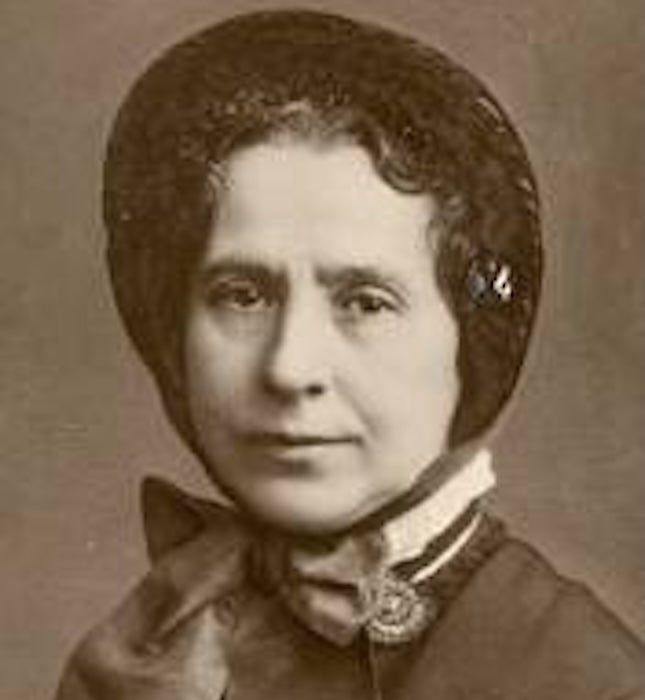
One of the earliest and most influential examples of women’s leadership in The Salvation Army was Catherine Booth, often referred to as the “Army Mother.” At a time when most churches restricted women’s roles, Catherine argued passionately for female ministry and the right of women to preach and serve in leadership positions. Her 1859 pamphlet, ”Female Ministry,” defended the right for women to proclaim the gospel, and early Salvation Army policies reflected this belief by allowing women to hold any office or official role — a highly uncommon practice for the era. Through her preaching, writing, and organizational influence, Catherine Booth helped shape a movement where women were recognized not merely as helpers, but as leaders in their own right, called and equipped by God for ministry.
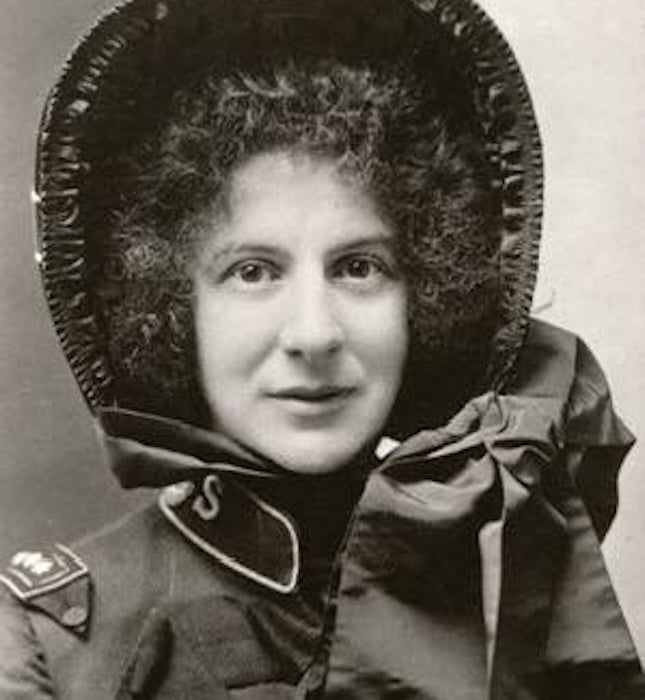
This foundation of inclusive leadership created space for women to live out their calling through courageous service, even in difficult and hostile environments. One such example is Eliza Shirley, whose perseverance helped establish The Salvation Army in the United States. As a young woman, she felt compelled to carry the Army’s mission across the Atlantic, despite being warned that the work would be met with resistance. Upon arriving in Philadelphia in 1879, her efforts were often met with hostility, poor attendance, and public opposition. Yet Eliza persisted, preaching and singing openly despite the danger she faced. Her faith-filled determination demonstrated that leadership within The Salvation Army was not limited to formal authority, but expressed through resilience, obedience, and a willingness to serve wherever God called.
Women in The Salvation Army have long embodied a deep commitment to justice rooted in scripture and expressed through action. Faith compelled them not only to preach the gospel, but to respond to social conditions that threatened human dignity, particularly among the poor, the marginalized, and the forgotten. This commitment was especially evident during times of crisis. Following the 1906 San Francisco earthquake, Evangeline Booth, the territorial commander of The Salvation Army in the United States at the time, mobilized support from across the nation, leading a mass open-air meeting in New York’s Union Square that raised more than $12,000 (this would be around $430,000 today) for relief efforts. Going beyond merely fundraising, she also organized hundreds of Salvation Army volunteers to assist first responders and to care for survivors, demonstrating her belief that faith demands immediate and practical response in moments of human suffering.
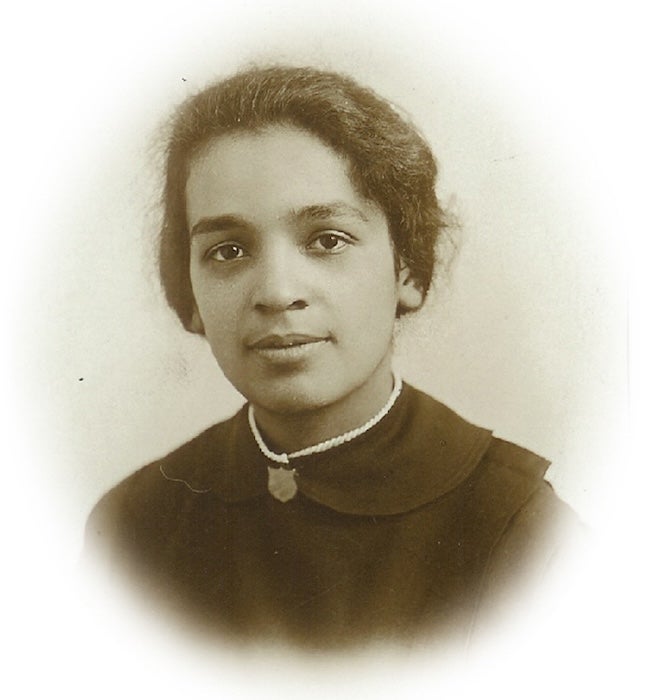
Salvation Army women also challenged injustice by confronting racial and social barriers within their communities. In 1915, Mabel Broome became the first African American woman to serve as a Salvation Army officer, helping to break racial barriers in leadership during a time of widespread segregation. As one of the Army’s early “slum sisters,” Ensign Broome ministered in some of the poorest neighborhoods, addressing immediate physical needs while affirming the dignity and worth of people who were often ignored or excluded. Her work reinforced the Army’s commitment to justice and meeting human needs without discrimination.
Service has always been the most visible expression of faith for women in The Salvation Army. Whether through disaster relief, ministering in impoverished neighborhoods, or daily acts of compassion, women throughout our movement’s history consistently translated belief into action. Their service was not performative, but practical: feeding the hungry, sheltering the homeless, caring for the sick, and standing alongside those in crisis. Through their handson ministry, they demonstrated that service is not separate from faith, but instead one of its clearest expressions.
The legacy of women in The Salvation Army is one of faith in action — leadership exercised with humility, justice pursued with courage, and service offered with compassion. As our movement continues to meet human needs around the world, it does so on a foundation built in large part by women who believed that obedience to God requires both conviction and action. Their stories serve as a reminder that the mission of The Salvation Army has always been strengthened by the faithful leadership and service of women willing to answer God’s call.