The Ripple Effect of Losing Housing
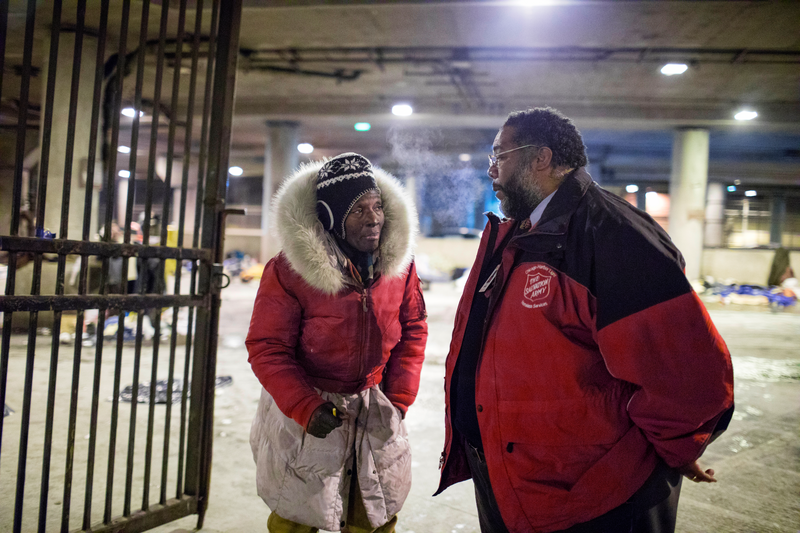
Homelessness is often misunderstood. Many people imagine it as the result of poor choices or long-term instability, when in reality, it frequently begins with a single crisis like a missed paycheck, a medical emergency, or an unexpected bill. For countless individuals and families, homelessness is not a sudden fall but a slow slide that begins quietly and accelerates quickly.
The path into homelessness often starts with something deceptively small. A person misses a utility payment because hours were cut at work. A senior on a fixed income faces a higher heating bill during an unusually cold month. A family absorbs medical costs after an illness or injury. At first, it feels manageable, just one bill pushed to next month.
But missed bills add up. Late fees accrue. Utility shut-off notices arrive. Without electricity, heat, or water, a home can quickly become unsafe or unlivable. Eviction notices often follow when rent cannot be paid on time. Once housing is lost, it becomes exponentially harder to recover.
Homelessness is rarely about a lack of effort. It is about a lack of margin. Without stable housing, nearly every aspect of life becomes harder.
Employment
Finding or keeping a job is extremely difficult without a permanent address, reliable transportation, or a safe place to rest. Many employers require an address for applications or background checks. Showing up on time, clean, and prepared becomes a daily challenge when someone is living in a car, shelter, or temporary arrangement.
Health
Homelessness takes a serious toll on physical and mental health. Chronic conditions worsen without regular medical care or medication storage. Exposure to extreme temperatures increases the risk of illness. Stress, anxiety, and depression are common, especially when someone is unsure where they will sleep next.
Families
For families, homelessness can mean separation. Children may move between schools or miss school entirely, disrupting their education and emotional well-being. The trauma of uncertainty can follow them for years, making early intervention critical. Parents also face the constant stress of trying to keep their children safe while navigating unstable living conditions.
Seniors
Seniors are particularly vulnerable, as fixed incomes leave little room to absorb rising costs or emergencies. Limited incomes don’t adjust with inflation. A single increase in rent, utilities or medical expenses can put them into crisis. Once housing is lost, recovery can be especially difficult due to health issues or limited earning potential.
The most powerful truth about homelessness is that it’s often preventable. Assistance with one or two bills like rent or utilities can stop the spiral before it accelerates. Help with a payment can allow a family to catch up rather than fall behind. These small, timely interventions give people breathing room and the chance to regain their footing. When people are stabilized, they can focus on work, health, and family instead of survival.
Homelessness can happen to anyone. Compassion, awareness, and timely help can ensure it doesn’t have to last. The Salvation Army offers practical assistance to individuals and families without discrimination. If you need assistance, or would like to donate and support the homeless population in your area, please reach out to The Salvation Army location nearest you.