‘The Network’ Changes Lives in Central Virginia
By Brad Rowland /
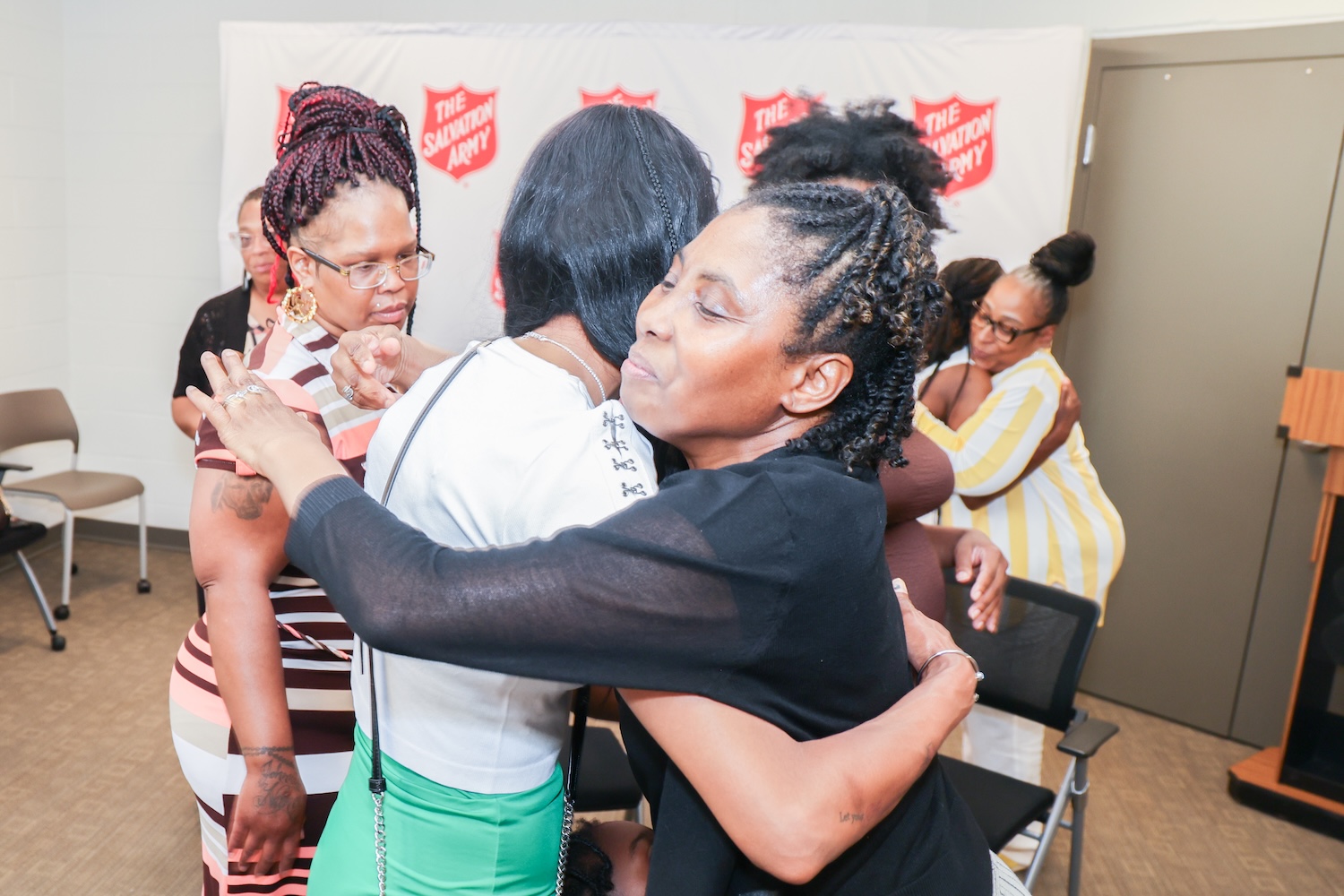
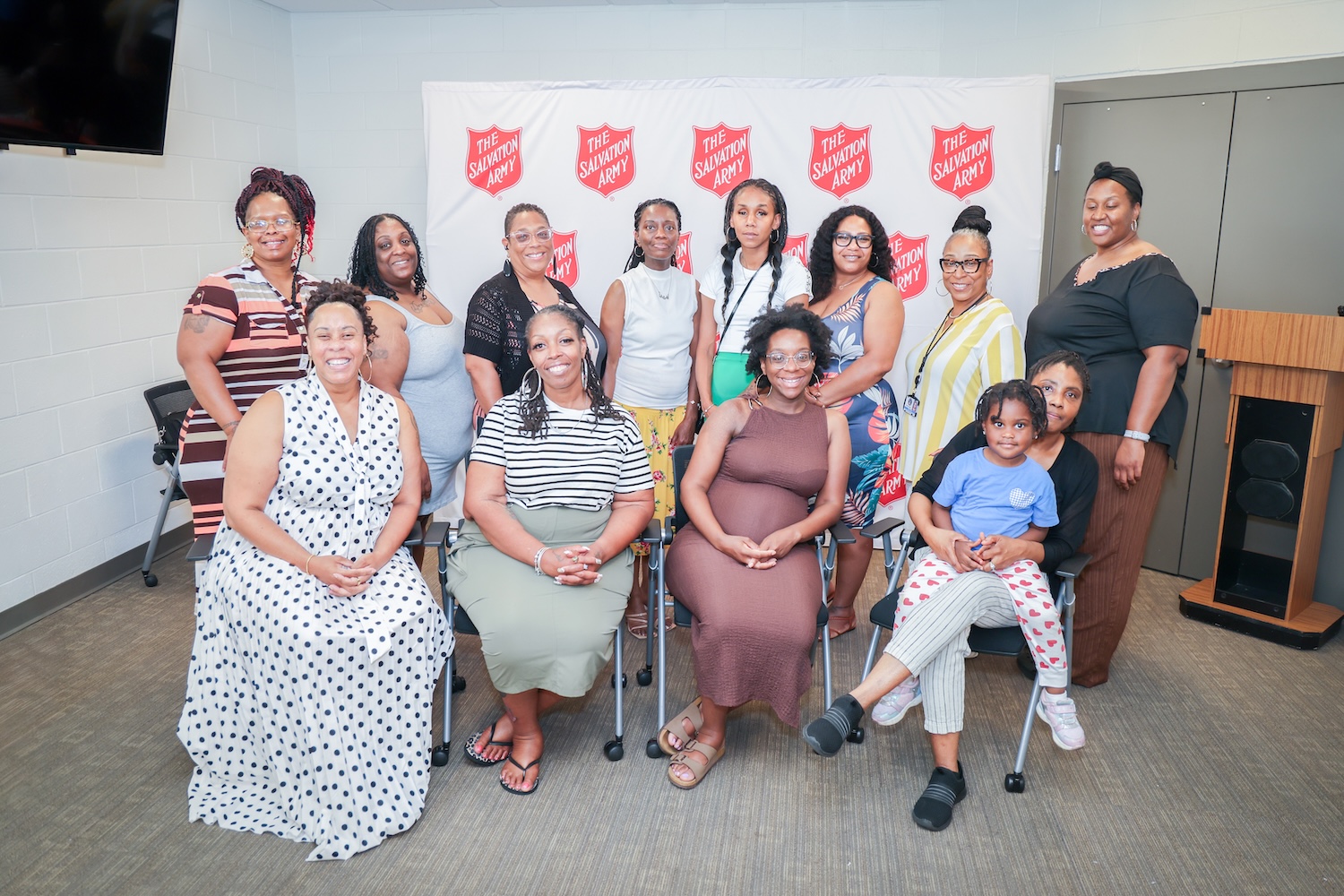
The Salvation Army of Central Virginia recently partnered with Virginia Commonwealth University, Virginia Credit Union, Richmond City Office of Community Wealth Building, and other community partners to design, implement, and evaluate a pilot program of The Building Wealth and Health Network. Often referred to as “The Network,” The Building Wealth and Health Network is a program focused on financial self-empowerment aimed at helping to break the cycle of generational poverty. The Network also intertwines with The Salvation Army’s Pathway of Hope initiative and seeks to support families in moving toward self-sufficiency.
“As many know, Pathway of Hope is not a program; it is a perspective,” says Octavia King, social services director for the Central Virginia Area Command. “We provide intensive case management with the goal of helping people achieve stability while also addressing the root causes of intergenerational poverty. With this network, we wanted to create a program in collaboration with the city of Richmond that could provide financial literacy, be trauma-informed, and develop community.”
More than a decade ago, the Building Wealth and Health Network was launched by Drexel University’s Center for Hunger-Free Community, and since its inception, The Network has impacted more than 1,000 families in Pennsylvania. The Salvation Army’s initiative in Richmond, Virginia grew as a pilot program from the work done at Drexel University, with notable and logical changes to mold the initiative for the Richmond area through The Salvation Army’s mission.
Three cohorts have gone through The Network in Richmond, with the most recent group graduating earlier in 2026. Each cohort can include up to 30 families, and King reports an 85 percent graduation rate in Richmond. The scope of the cohort includes 16 sessions, operated twice per week.
The process begins with an orientation for families to become more familiar with the program, including the chance to get to know all the involved partners and introduce The Salvation Army. King also notes the opening as a vital chance “to set the intentions and begin to establish a trusting relationship.”
From there, The Network progresses to dedicated and specific lessons focused on a wide range of topics including financial literacy, social justice implications, decision-making, credit scores, entrepreneurship, and more. Each lesson is then followed by a joint dinner with families and heads-of-household that has proven to be a meaningful time that includes prayer and the chance for families to seek pastoral care.
In addition, Jewel Farrar, case manager for Central Virginia Area Command, is made available for more in-depth meetings and tutelage with each family. Graduating families are also able to transition to the Pathway of Hope initiative for long-term guidance and support.
One unique aspect of The Network’s offerings is the chance for families to remain together in navigating each step of the program. King says it is “a beautiful thing” that The Salvation Army offers childcare during each session, not only making the process easier from a scheduling and logistical perspective but also providing clear family-building benefits. “Part of that was so the children could see mom, dad, whoever was the head of the household, working to make things better for the family,” King says. “The children can be part of the growth process, and it helps to keep families together.”
In addition to The Network’s financial literacy focus, every effort is made to provide emotional and peer support to promote self-efficacy and resilience in traditionally under-resourced communities. At its inception, The Network was developed to offer the opportunity for its members to increase their income and savings, which can improve health and wellbeing, but at a generational level, The Network also follows a trauma-informed approach to case management that King locally champions for The Salvation Army.
“I think regardless of the program, regardless of whether it’s Angel Tree, whether it’s the shelter, whether it’s financial assistance, I think the perspective of trauma-informed care cannot be overstated,” she shares. “That the people that we’re seeing, that the reason why they’re in this situation is maybe because of their childhood, because of what they were taught, because of the communities that they’re in. And so that is a conversation that we can weave in regardless of how our people are coming to the door and have that in mind.”
While external grant funding and partnerships are key for The Network’s operations, King shares that the initiative’s impact has been clearly felt locally, also noting some of its pillars are potentially replicable elsewhere in The Salvation Army world.
“We’ve seen members really blossom from the start of The Network cohort until the end,” says King. “They may have been restrained or shy in the beginning but, by the end, it really became a community. I also would be remiss to not praise Jewel Farrar (case manager) for shepherding the program. It was great to watch her grow and take ownership while also ensuring that everyone in The Network had the best possible experience.”
The Salvation Army’s ability to adopt and pilot an established program may not be universal in every community, but King believes strategic partnerships can still open doors.
“I think The Network reveals an opportunity for the Army to potentially lean into more strategic partnerships in helping people to be safe, fed, and hopefully connected with Christ,” King says. “We can also follow established best practices and implement programs that rival any program in their overall quality, operating professionally while still doing the good work of Jesus Christ moving forward.”