The Justice Calling: Lament

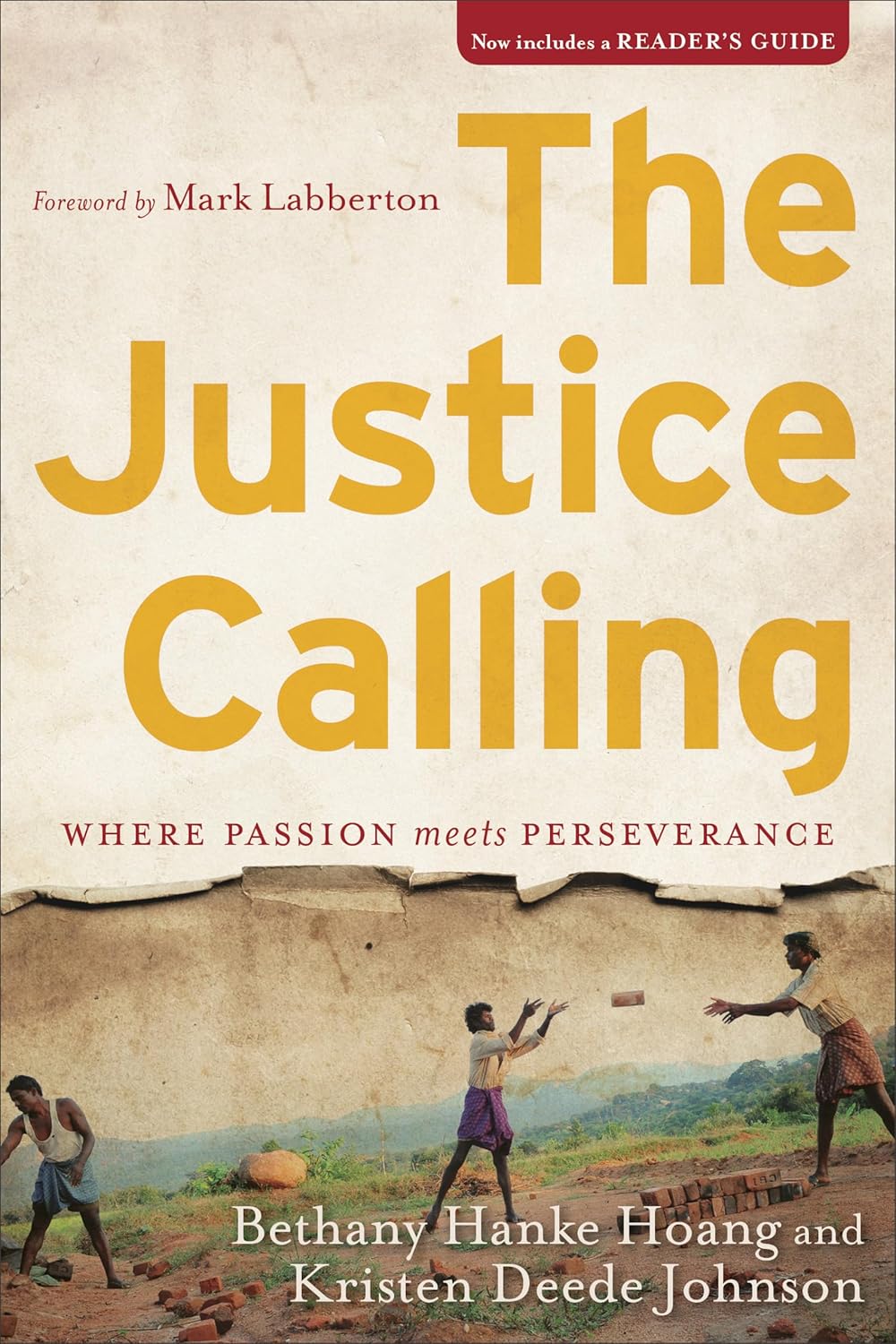
One way we can respond to biblical injustice is through the practice of lament. In a world that often urges us to move quickly to solutions, lament invites us to pause, to grieve, and to stand honestly before God in the face of overwhelming suffering. Emmanuel Katongole, in “Reconciling All Things: A Christian Vision for Justice, Peace and Healing,” describes lament as “a cry directed to God. It is the cry of those who see the truth of the world’s deep wounds and the cost of seeking peace. It is the prayer of those who are deeply disturbed by the way things are.” Lament is not passive resignation; rather, it is an act of faith that dares to bring pain, injustice, and unanswered questions into the presence of God.
When I spent time in Athens, Greece, a couple of years ago volunteering with The Salvation Army and their work with refugees, I learned fairly quickly the importance of lament in a profound and personal way. Day after day, I encountered stories of suffering that stretched my understanding of human endurance and challenged my assumptions about justice and mercy. Working among refugees and asylum seekers meant entering a space where pain was a constant companion. Behind every face was a story of loss, displacement, fear, and uncertainty.
I remember listening to a mother from Afghanistan tell the story of her six children. After her husband was killed by the Taliban, the children were smuggled to Athens by human traffickers in the hope of finding safety and a future. Her story was one of unimaginable grief and desperation. Like many others, she had been forced to make impossible choices in order to survive.
In Omonia and Victoria Squares in Athens, I witnessed young boys selling themselves so they could eat and find shelter. Some spoke openly about their exploitation. I heard them say “no,” yet moments later they would leave with those who preyed upon them because they saw no other option. Their vulnerability was heartbreaking. These were not statistics or distant headlines; they were children, each with a name, a story, and a God-given dignity that had been violated by circumstances beyond their control.
I also listened to case workers describe the daily realities they faced. They spoke of children as young as nine sleeping on the steps outside their offices because there was simply no room for them inside. The lack of resources meant that vulnerable children were left exposed to further exploitation and harm. I heard about a three-year-old child who had lost both parents when they drowned at sea during a dangerous journey toward safety. Left alone in the world, this child’s story became a painful reminder of the devastating consequences of forced migration and displacement.
These were not isolated incidents. They were real stories involving real people whose lives had been shattered by violence, war, poverty, trafficking, and injustice. They were stories that should unsettle us. They should move us beyond indifference and compel us to acknowledge the suffering that exists in our world. Faced with these realities, I often found myself with no words and no easy answers. The only thing I could do was bring these stories before God and weep.
Author Bethany Hoang reminds us that “there are countless stories of people all over our world — people created by God for a life of wholeness and flourishing but who instead undergo a living nightmare of injustice.” The people I met in Athens embodied this painful truth. They were deeply wounded by circumstances they neither chose nor deserved. Their stories revealed the profound brokenness of our world and the urgent need for compassion and justice.
Emmanuel Katongole argues that when we draw near to those who suffer, our first responsibility is not necessarily to fix their problems but to instead allow ourselves to be affected by their pain. “When we draw near to those who are most sinned against,” he writes, “our call is not first to ‘make a difference’ but to allow the pain of that encounter to disturb us.” In a culture obsessed with efficiency and solutions, this can feel uncomfortable. Yet there is importance in allowing ourselves to be disturbed. Before we act, we must be willing to see, to listen, and to feel.
Lament teaches us to name suffering honestly and to mourn with those who mourn. It creates space for empathy, humility, and solidarity. More importantly, it keeps us connected to the heart of God as we engage in the work of justice. Lament prevents us from becoming detached observers or rushed problem-solvers. Instead, it reminds us that transformation begins with compassion.
Lament not only exposes the brokenness around us but also helps us recognize the ways we may contribute to that brokenness. It prepares us for the slow, difficult work of healing and restoration. Standing with people who suffer is rarely easy. It is often tempting to look away. Yet, the suffering of those God created who face injustice – whether through war, displacement, trafficking, poverty, addiction, or racism – calls us to do the opposite. We must stand alongside them, listen to their cries, carry their stories into the presence of God, and allow our hearts to be shaped by lament.
Ask the Lord to reveal to you injustices in our current world and spend some time with Him in lament over these things and the people affected by these injustices. Time spent like this will shape your heart and your response.