More Than A Meal: How The Salvation Army’s Culinary Arts Training Programs Are Changing Lives
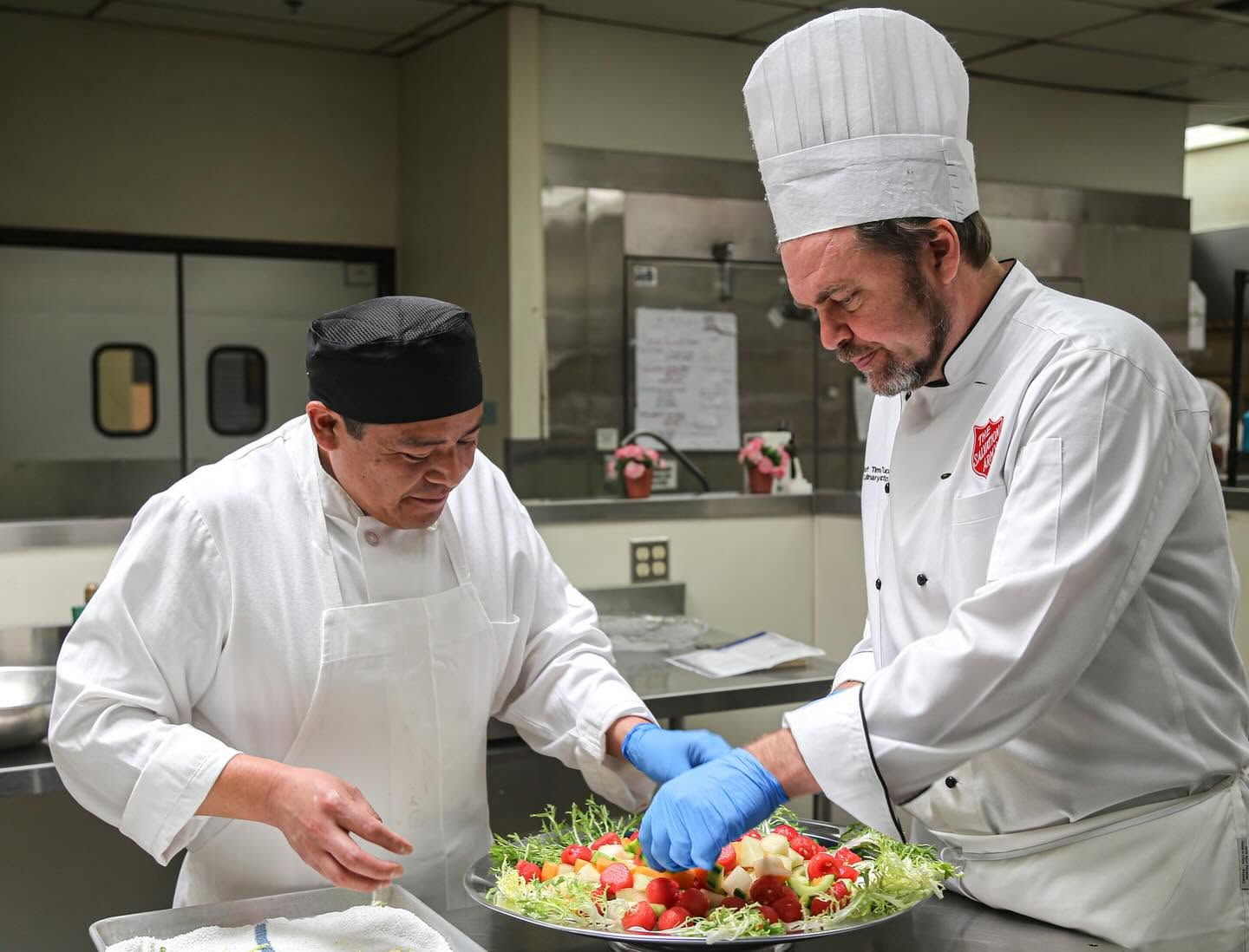
In kitchens across the country, The Salvation Army’s culinary arts training programs are helping people discover more than a passion for cooking. They are building confidence, creating career pathways, and opening doors to brighter futures.
Through programs in communities including San Francisco, Boston and Sacramento, students learn practical skills that can prepare them for careers in the food and hospitality industries. Depending on the program, students may also receive life coaching, professional development, employment support, and other services designed to help them move toward greater stability and self-sufficiency.
Culinary Training That Goes Beyond the Kitchen
In San Francisco, Chef Timothy Tucker leads The Salvation Army’s Culinary Arts Training Academy, a free 10-week culinary training program that has helped hundreds of people develop skills for careers in the food industry.
The academy teaches knife skills, food terminology, kitchen safety, recipes and food preparation, as well as effective workplace performance and professional skills. Students also receive life coaching and employment support, and graduates earn a ServSafe Food Handler certificate.
For Tucker, however, the program is rooted in a deeper mission.
Tucker’s culinary philosophy was shaped by years of experience working in restaurants, food manufacturing, and organic farming before joining The Salvation Army. After overseeing meal services for families and individuals experiencing hardship in Louisville, he was inspired to create a culinary training program that could help people rise above poverty and build sustainable careers.
The model he developed in Louisville in 2005 has since influenced culinary training programs in communities across the country.
For one graduate, the program helped him reconnect with a childhood passion for cooking and build a career in the industry.
Jose Figueroa grew up working at his uncles' restaurants. After losing his father at a young age, he struggled with grief, anger and substance abuse.
When he connected with The Salvation Army, he found support on his journey to sobriety and was introduced to the Culinary Arts Training Academy, where he reconnected with his love of cooking.
“I not only learned new things about the culinary arts, I learned really how to start working with different types of people. And it really helped me out stepping into the work industry,” said Figueroa.
Since completing the program, Figueroa has gone on to work as a sous chef at local restaurant Cavaña while continuing to serve at The Salvation Army’s San Francisco Harbor Light Center, supporting fellow neighbors on the road to recovery.
Preparing Students for Culinary Careers
In Boston, The Salvation Army Boston Kroc Center Culinary Arts Training Program is preparing students from the Dorchester and Roxbury communities for careers in the food industry through a nationally recognized, tuition-free 10-week course.
Students receive hands-on experience in professional kitchen environments while learning culinary techniques, food safety and sanitation, baking and pastry arts, menu planning, food costing and kitchen management. The program also covers culinary trends, sustainability, and innovation.
Professional culinary training is only part of the program.
“It’s not all just about cooking,” said program manager Chef Jesse Perez. “We do life skills where they come into the classroom and work on resumes, interviews, cover letters and learning how to work together as a team before they get to the kitchen.”
Boston’s program also offers job placement support, industry mentorship, and college credits. Students can earn a Junior Apprenticeship certification from the Commonwealth of Massachusetts, providing an additional credential as they pursue careers in the food industry.
Culinary Workforce Development and Self-Sufficiency
In Sacramento, culinary training is part of a broader journey toward stability and self-sufficiency.
The Salvation Army’s 16-week Culinary Arts Training Program there provides 40 hours of classroom and lab instruction each week. Students learn foundational culinary skills while preparing for careers in food-service operations, including restaurants, hotels, hospitals and grocery stores.
The program combines classroom instruction with hands-on training and written and practical assessments. Students who successfully complete the program receive a ServSafe Manager certification and may have the opportunity to apply for an externship after completing the first eight weeks of training.
“We like to do an approach where we can help someone go from poverty to self-sufficiency,” said Captain Leslie Cyr of The Salvation Army Sacramento. “This is one of the many steps that we have available in the Sacramento area to help someone.”
Through training and practical experience, students develop the knowledge, confidence, and workplace readiness needed to pursue employment in the food industry.
“We’re very, very proud of the people that have graduated from this program,” said Captain Cyr, “and the way that they have been able to enrich their lives with new skills.”
A National Approach to Culinary Arts Training
The Salvation Army’s culinary arts training programs vary in length, curriculum and support services based on the needs of the communities they serve. Some focus primarily on professional culinary education and career preparation, while others combine hands-on training with recovery services, housing, mentoring, or other forms of support.
For students, the training may begin with learning how to safely handle a knife, prepare a meal, or work effectively as part of a team. The impact, however, can extend far beyond the kitchen to employment, greater confidence, and a brighter path forward.
This National Culinary Arts Month, The Salvation Army celebrates the students, instructors and supporters who are helping make those opportunities possible.