Metro Atlanta Expands Shelter Services
By Brad Rowland /
Share Story

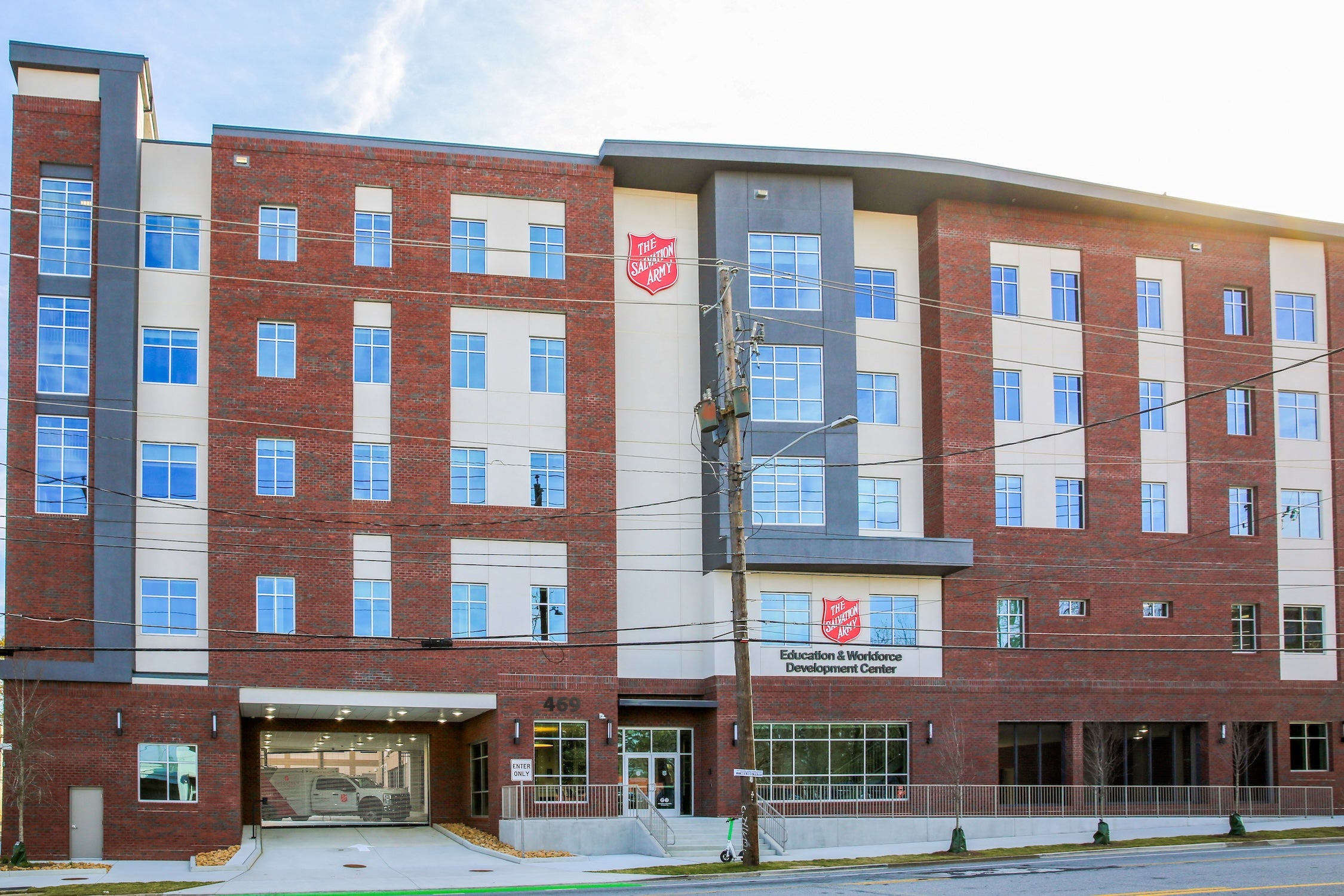
For decades, The Salvation Army’s Metro Atlanta shelter, officially referred to as Red Shield Services, has been perhaps the model for sheltering in what is one of America’s largest and most vibrant cities. On January 21, a ribbon-cutting event was held to mark the dawning of a new era for the facility, as the shelter was rebranded as the “Center of Hope.” The gathering also commemorated the opening of the facility’s newly minted expansion, which will allow The Salvation Army to further serve the Metro Atlanta community.
“Today marks more than the opening of a building,” said Major Thomas McWilliams, Metro Atlanta area commander. “It represents hope, dignity, and renewed opportunity for hundreds of individuals and families who will find safety and support within these walls.”
Dating back to the beginning of an extensive fundraising process, The Salvation Army and its partners, including the City of Atlanta, focused extensively on the dignity of all residents and clients. The expansion adds a five-story tower to the existing facility, specifically designed to enhance privacy, safety, and dignity for everyone. The expansion more than doubles the footprint of the facility to approximately 90,000 square feet, adding 116 beds and increasing the total capacity to 437 individuals, serving men, women, and families in need.
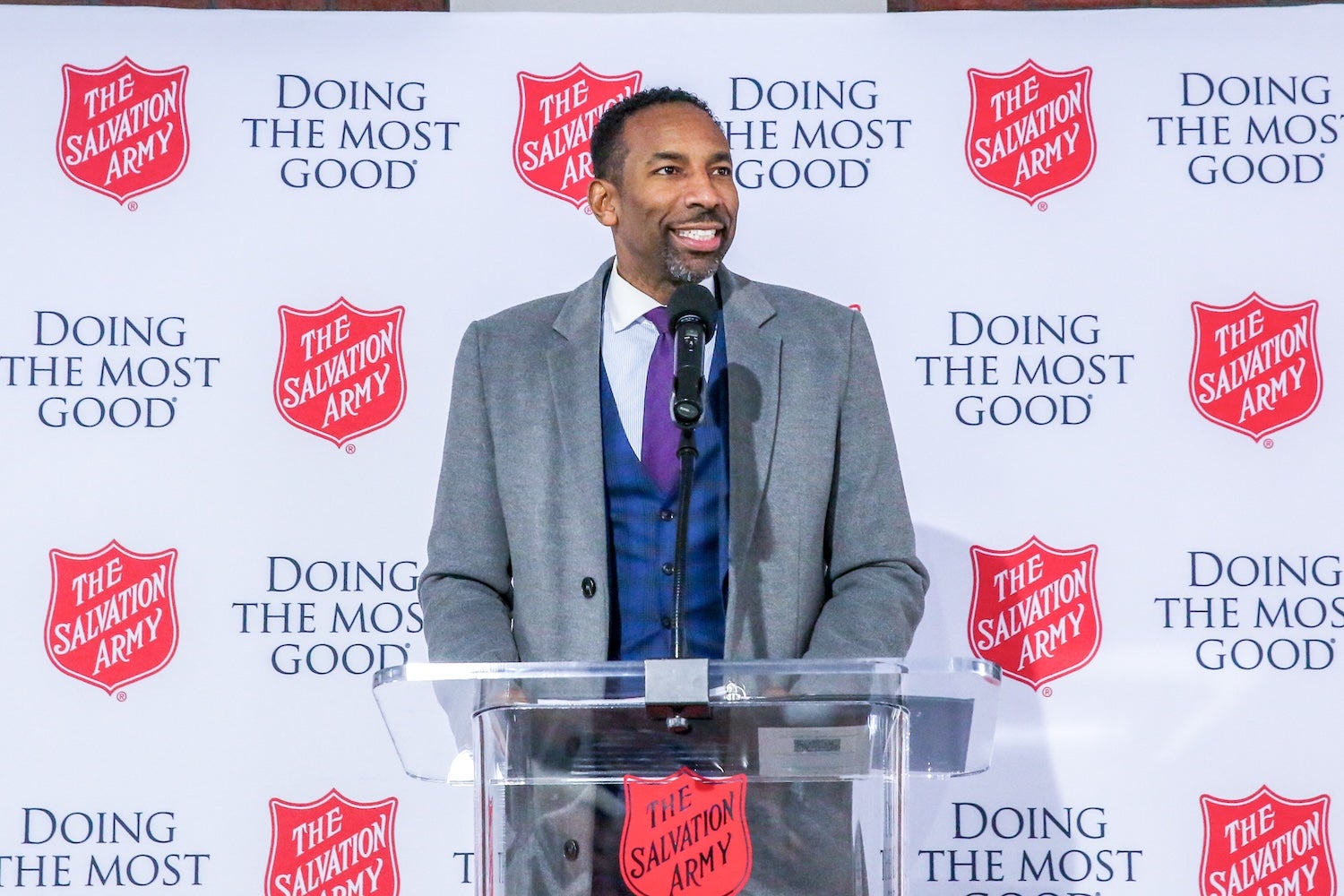
Atlanta Mayor Andre Dickens, special guest and keynote speaker for the opening of the facility, expressed his continued gratitude for the work of The Salvation Army in the community.
“I want to start by thanking The Salvation Army of Metro Atlanta, the board, the staff, the volunteers, the donors,” said Mayor Dickens. “Thank you for what you do every day and for your commitment to this work.”
“When government, non-profits, the faith community, businesses, and neighbors stand together and bring their resources, expertise, and compassion to the same table, we get results,” Mayor Dickens continued. “For more than 135 years, The Salvation Army has been present in this city, standing with people in their hardest moments and helping them move forward with dignity. This new Center of Hope is the next chapter in that work.”
One of the new initiatives with the shelter’s expansion is the creation of The Bob & Mary Kesterton and Mingledorff’s Education & Workforce Development Center. This area includes three large classrooms with retractable dividers and room for more than 100 students at a time, with another flex classroom nearby when needed.
The workforce development center is furnished with state-of-the-art technology to facilitate high-level learning and collaboration. Importantly, training opportunities will be open to both shelter residents and members of the Atlanta community, including sessions on financial literacy, work readiness, logistics, skilled labor, hospitality, and more. The center also has an external lobby with easy access from the street, welcoming in the community without any barriers. Each educational offering is designed to meet people where they are and to assist in moving them to the next level of their employment journey.
“Our workforce development center will help our clients be better prepared and better able to move into permanent housing and be able to sustain it… It’s going to be an exciting chapter for the community,” says Thomas Thompson, services director for the Center of Hope. “For a long time, we’ve been known as a shelter. Now, we will also be known as an organization that will better equip our clients for long-term sustainability.”
Amy Glennon, advisory board chair for The Salvation Army of Metro Atlanta, refers to the Center of Hope as “a caring place that offers safety and resources to help folks get back on their feet,” and United States Army veteran Jeffery Woodard is a shining example of that effort. Woodard speaks glowingly about his time with The Salvation Army, noting its extensive impact on his own journey and what the Army’s work can help to accomplish.
“Coming back to The Salvation Army, I was reminded that I can rebuild and find peace in the structure that The Salvation Army provides,” Woodard shares. “I’m thinking a whole lot more clearly. I’m physically healthy. I’m at mental peace right now.”
The Center of Hope expansion includes two housing floors for veteran services, each holding 15 two-person apartments that include private bedrooms and bathrooms. Veterans’ programs serve former service men and women for up to two years, with comprehensive case management to work toward permanent housing, obtaining benefits, and securing both job training and employment.
“To me, if you might be here for up to two years, it should certainly feel like home,” Major McWilliams says. “It is home.”
In addition to the floors focused on veterans, the Center of Hope has two floors for single male residents. Each area consists of a small, dormitory- style living space again designed with dignity and privacy at the forefront, and each housing floor also has common spaces for people to gather in community with one another.
“The entire model is heavily focused on dignity,’ Major McWilliams says. “For example, we are doubling our square footage, but we are not fully doubling the number of beds in our facility. We are certainly increasing that number, but everyone is getting more space, more privacy, which allows for more dignity in the entire process.”
The existing shelter space previously occupied by men and veterans will now be available for The Salvation Army to expand its services to single women and families in a new and dynamic way. The aim is to provide holistic aid, privacy, and the tools that each person and family need to work toward their goals.
“When I see this building and what happens in it, it tells me that we are important and that veterans matter,” Woodard shares. “That someone, somewhere, cares enough to imagine more for the brothers and sisters who are struggling physically, spiritually, and mentally. To everyone who has helped to make this possible, thank you. What you have done will not just make veterans’ lives better; it will also help and improve everyone in the shelter and make the community better.”