Keeping the connection
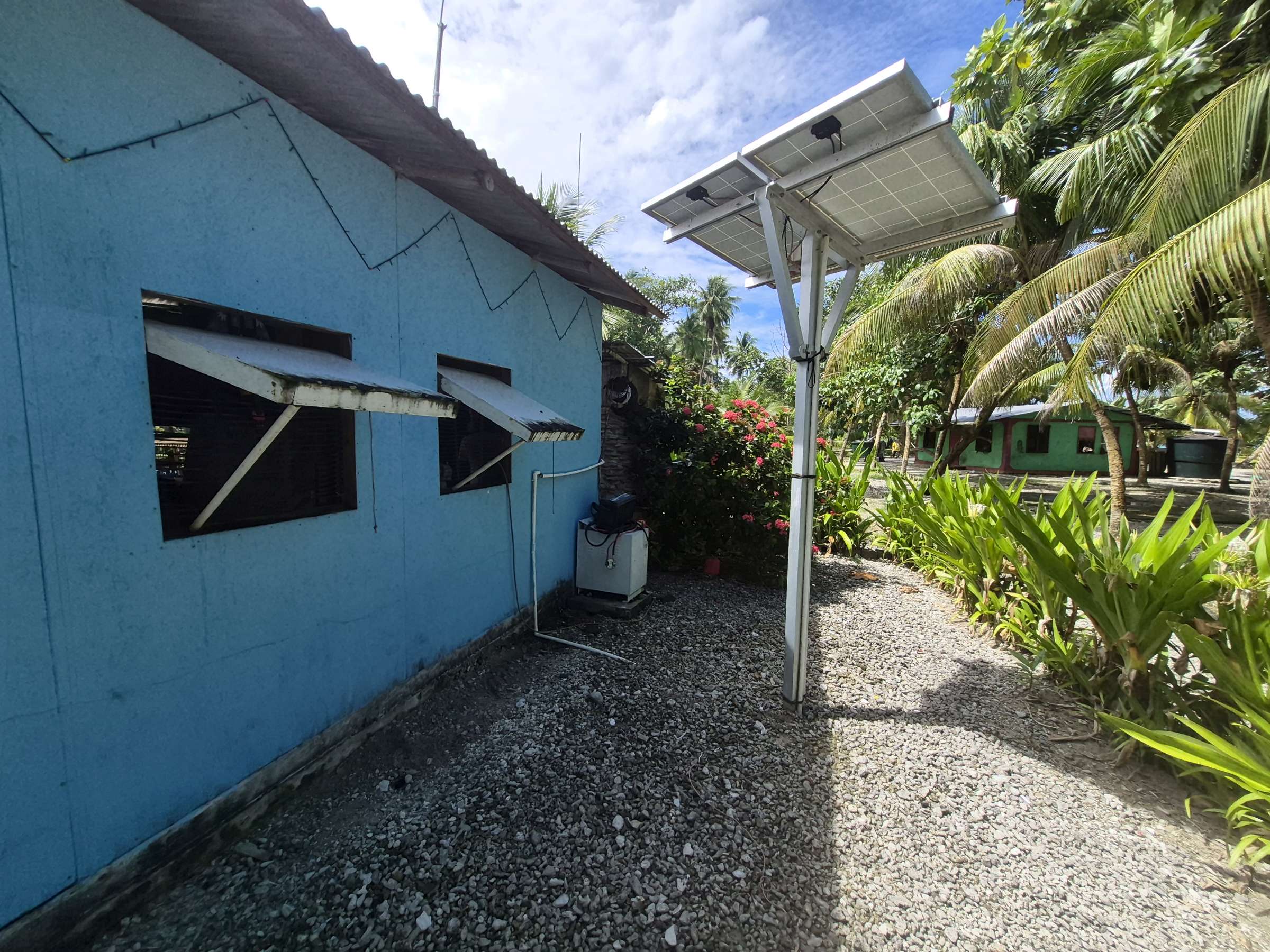
For Salvation Army communities separated by thousands of miles of ocean, reliable internet means more than technology—it means knowing they’re not alone.
Across thousands of miles of Pacific Ocean, Salvation Army officers serve communities where staying connected isn't always simple. Unreliable internet and limited transportation can make even routine communication difficult. Reaching another island might require a boat trip, and sharing an urgent need with divisional or territorial leaders can take time.
For Marshall Islands Coordinator Lt. Colonel Leopoldo Posadas, reliable communication means more than convenience. It means knowing that even the most remote corps remains connected to the wider Salvation Army.
“In a region separated by thousands of miles of ocean,” Posadas said, “Starlink helps ensure that no corps has to minister alone.”
That need for connection took on practical significance in June 2026, when a two-person territorial Information Technology team traveled across the Pacific to install satellite internet equipment at Salvation Army facilities in the Federated States of Micronesia, the Republic of the Marshall Islands, Guam and Saipan.
The nearly three-week journey was years in the making.
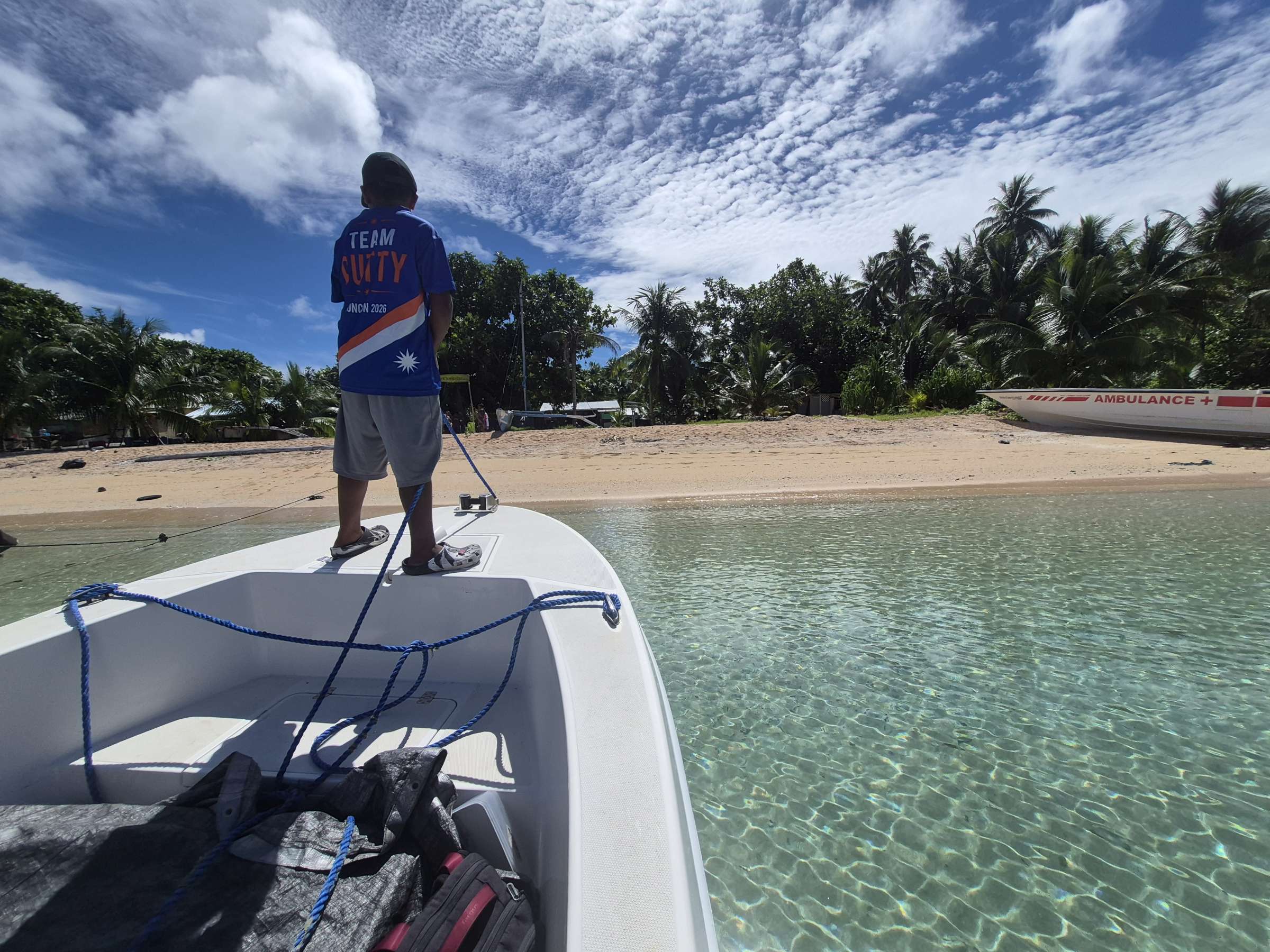
Courtesy Randy Haan and Mike Wong
Reliable internet access has long been a challenge across the Pacific Region, according to Western Territorial Information Technology Director David Brown.
In 2022, the territorial IT department successfully piloted Starlink satellite internet service at several remote locations in Alaska. The experience helped establish a path toward improving connectivity at Salvation Army sites across Micronesia.
With support from territorial leadership, Territorial IT Infrastructure Director Randy Haan and Territorial Systems Manager Mike Wong began preparing for the installations.
An early test came in 2025, when the department shipped a Starlink unit to Majuro in the Marshall Islands. A visitor from divisional headquarters installed the equipment, with the territorial team providing remote support. The installation allowed Posadas to connect his laptop to the internet.
“Then we began planning for the entire trip,” Haan said. “The preparation alone took months, and the final configuration, I think we spent two full weeks or about 140 man-hours to get everything ready and tested.”
In June 2026, Haan and Wong set out to install terminals at Salvation Army locations across the Majuro, Arno, Jaluit and Kwajalein atolls, then continued to Pohnpei, Chuuk, Guam and Saipan.
“We had to prepare for everything,” Haan said. “Once you leave, there’s no turning back, so you better pack it all.”
Haan checked 11 large bags filled with technical equipment and supplies. To move them, he improvised a system.
“I had to get some ropes and make a train,” he said.
“Traveling in the Pacific Islands can be challenging because flights don’t fly every day,” Wong said. “And in some places, we had to travel by boat, and the boats don’t travel every day, or you have to arrange it.”
On one leg of the trip, the pair traveled about 60 miles by boat across open ocean to reach an outer island. Elsewhere, they rode in the back of a pickup truck to reach installation sites.
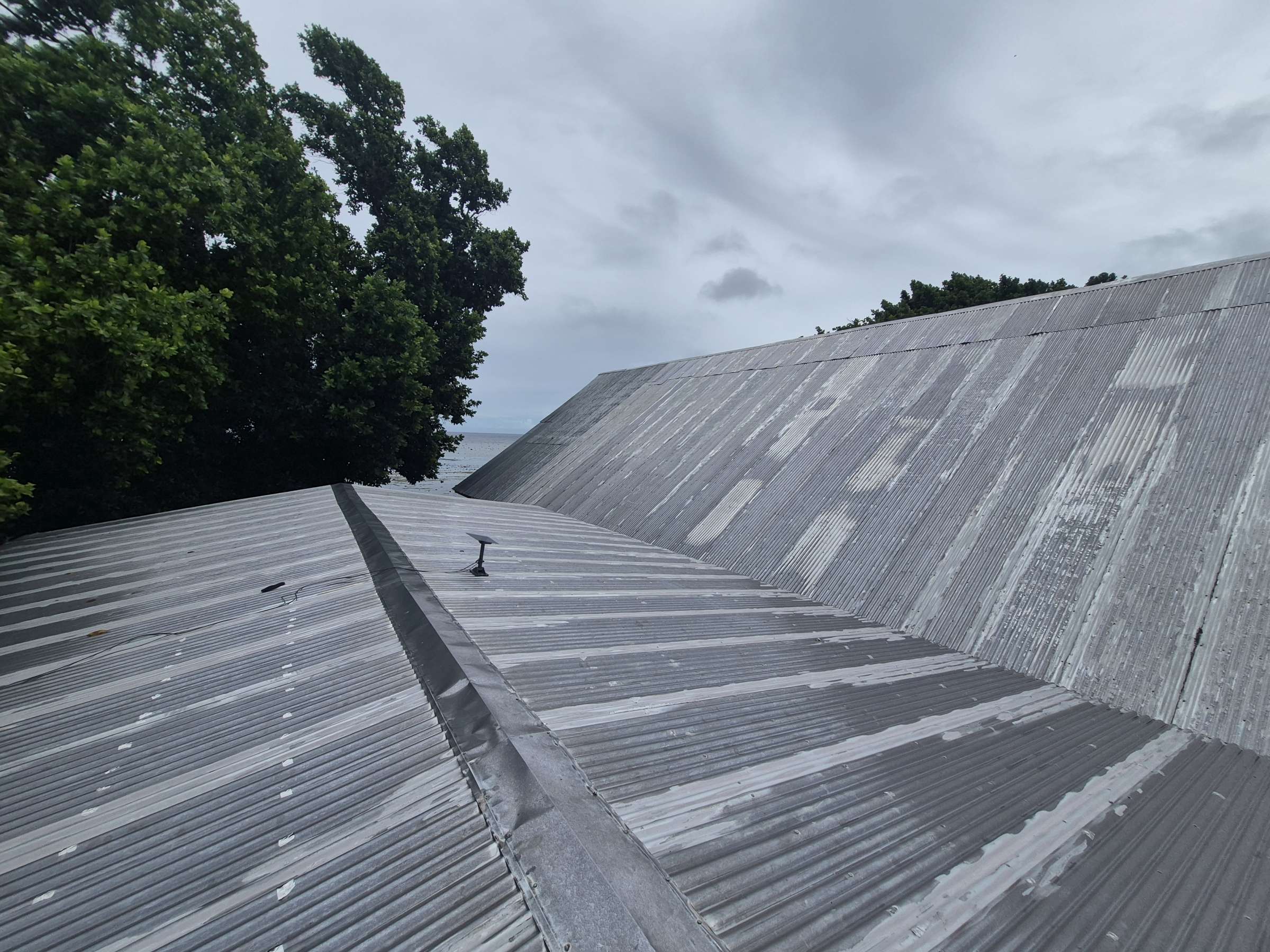
Courtesy Randy Haan and Mike Wong
What began as eight planned installations expanded to 16, strengthening connectivity among remote Salvation Army locations across the Hawaiian and Pacific Islands Division and with territorial headquarters in Southern California.
At each location, Haan and Wong adapted to the building’s conditions, whether that meant mounting equipment on a tin roof or working around a generator-powered electrical system. They ran cables, configured the terminals and showed local staff how to operate them, including how to connect and disconnect the terminals when necessary.
At times, the pair slept in Salvation Army chapels and relied on food they had brought with them. Community members also caught fresh seafood for them along the way.
For Wong, who had visited the region nearly two decades earlier, the trip underscored how persistent the communication challenges had been.
“When I was there in 2007, the telecommunications and internet were not great. Fast forward almost 20 years, and it still was not that great,” he said.
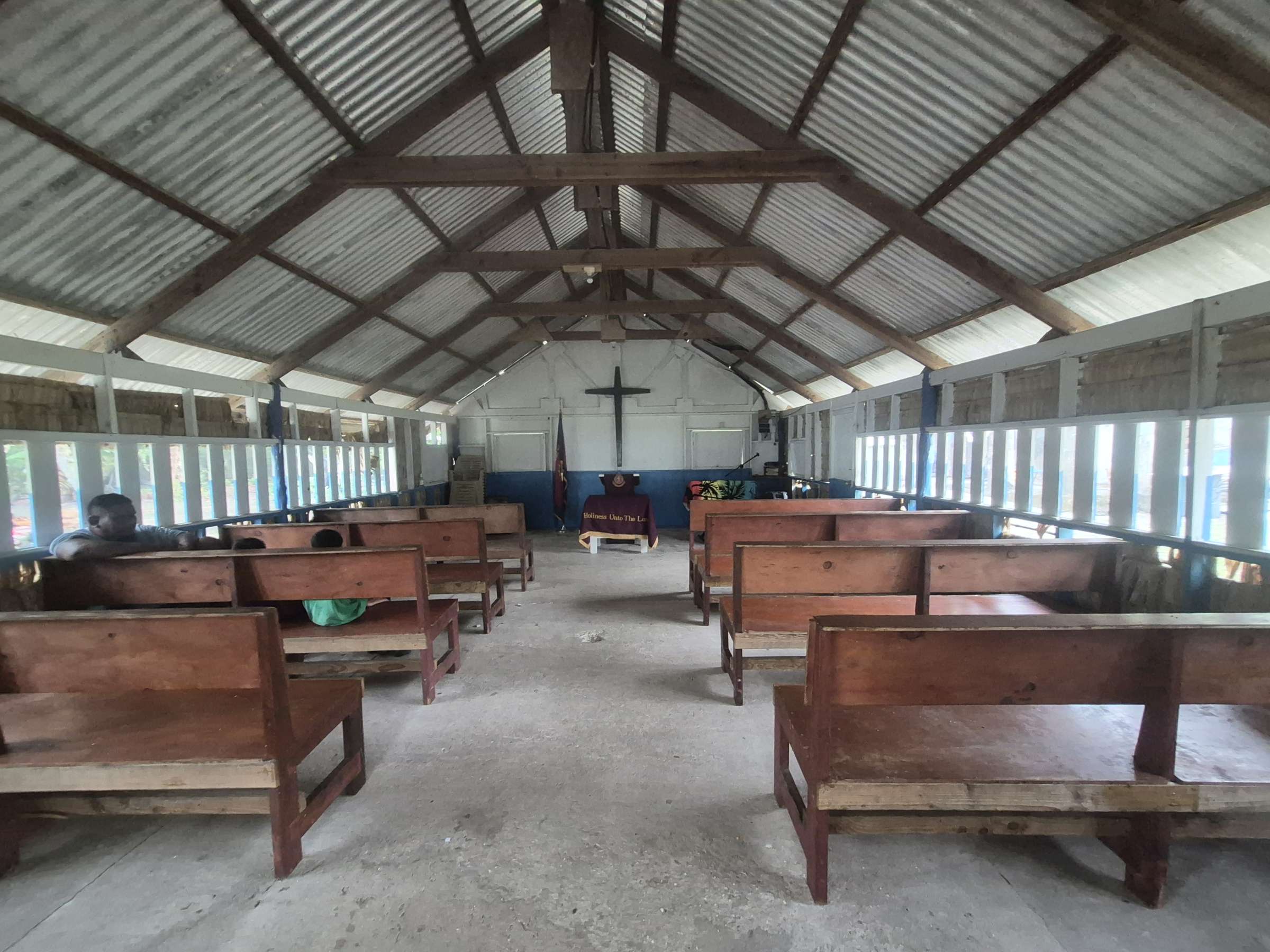
Courtesy Randy Haan and Mike Wong
At some locations, communications had been so limited that personnel needed to travel by boat to exchange information.
“Giving them the opportunity to communicate better was, for me, the best part of being a part of that,” Wong said.
For corps leaders serving across the islands, the installations offered more than faster internet. Reliable communication could make it easier to share needs, seek support and stay in touch with colleagues separated by hundreds of thousands of miles.
Shortly after Haan and Wong returned home, a typhoon struck Guam. In preparation for the storm, some locations removed their detachable Starlink terminals from rooftops to prevent damage or loss.
When they came back online, Brown heard from a corps officer who thanked the team for the installation.
“They said, ‘The last time there was a big typhoon, we didn’t know whether some of our officers were even alive for days,’” Brown recalled. “Now they knew right away what was going on. That’s a big shift.”
With reporting by Vivian Lopez, a contributing writer for The New Frontier.