How substance use and recovery inspired one man to find new purpose
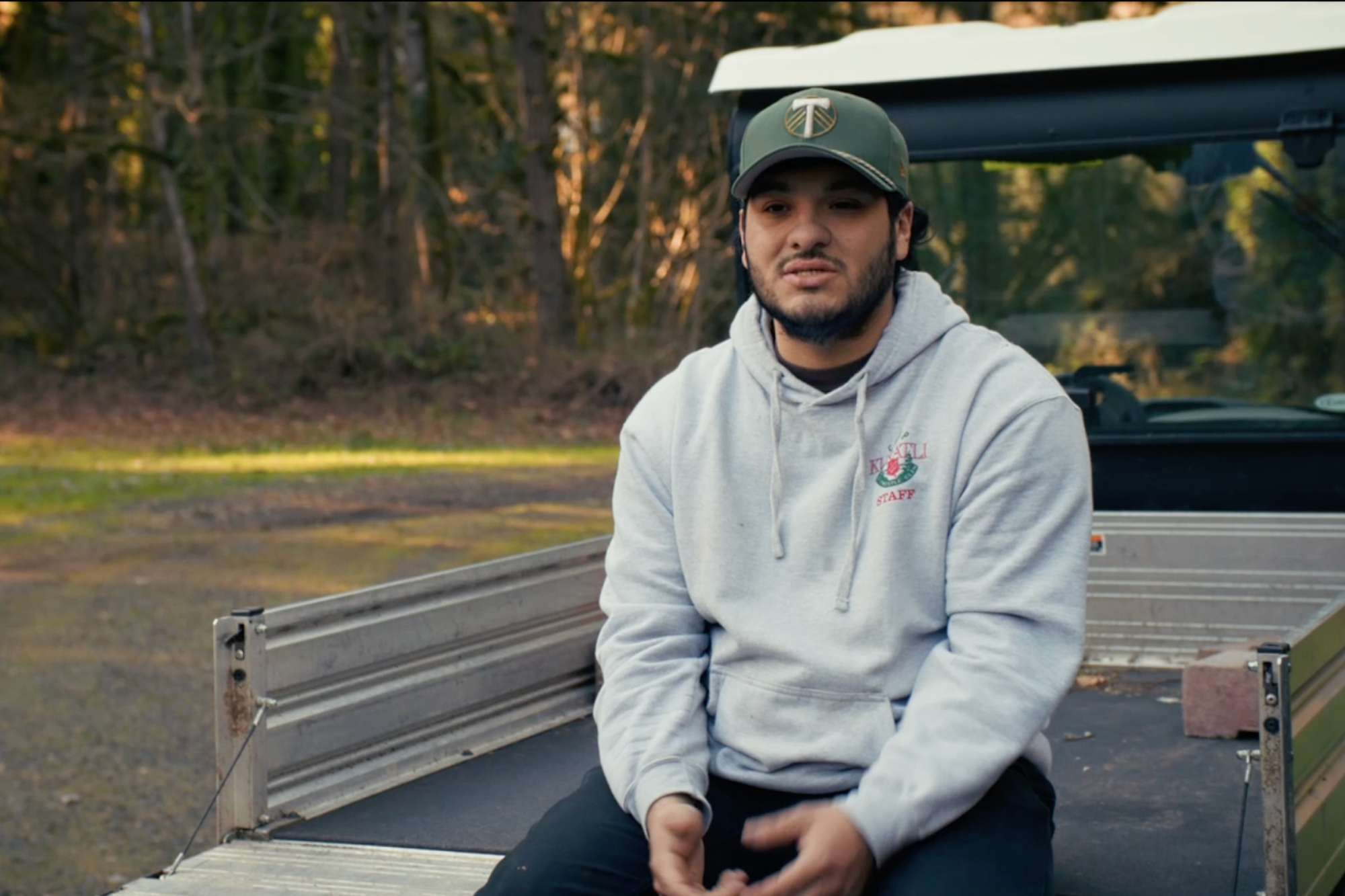
Francisco Quintero grew up participating in a lot of activities. When he started college, he added even more work to his schedule, resulting in him getting only an hour of sleep every night. A friend offered him something that could give him more energy—cocaine.
Despite completing a Salvation Army rehabilitation program, Francisco’s struggles didn’t end overnight. Watch to see how he managed to change his life, move a thousand miles away from his past and now gives back to make a difference in his new community.
Below is a transcript of the video edited for readability.
Francisco Quintero: I grew up in Rialto, California. Born in San Bernardino, played soccer my whole life, was a good kid.
My mom's side of the family, really, really close to each other. That was always my group. My parents were so strict on me in high school. Got into college, then it was like, okay, you have the freedom to do what you want.
I was going to school from 6 a.m. to 3 p.m., practicing soccer from 3:30 to 5:30 p.m., and then, drive home for 30 minutes, get home at 6, go to work from 7 p.m. all the way up to like 3:30 or 4 a.m. I was only sleeping about an hour a day.
My parents always told me if I was going to school, they were willing to help me out with finances, so I didn't need to work.
It was just my pride getting in the way of—I want to do this on my own, and I can do this on my own. I started hanging around the wrong crowd, came to drinking.
A good friend of mine at the time told me, "Hey, if the energy drinks aren't working anymore, then I have something else that can help you out."
It wasn't until September 16th of 2019 where I actually started using. I started using cocaine. I did that for six years, and I did crystal meth for four months.
One day I was using my mom's phone. My aunt had sent her a message. It was a link of the ARC.
I always used to erase messages like that, that way she wouldn't see them, but for some reason, something told me not to erase that. She saw it, and that's how we got connected.
I got on phone calls with the ARC people in San Bernardino. Called them about four or five times. At the end of it, I ended up just saying yes.
When I first got in there, I was not a fan of church. The first chapel that I stepped into the service, I just started crying. I didn't know what was going on, I didn't know why I was crying, but I felt this sense of peace that I've never really felt before, of knowing, "Hey, this is where you belong."
After I graduated, I had a job lined up. Everything was going fine. I was visiting the ARC every day.
Little by little, I started drifting off. I wasn't using, but I started saying "Oh, maybe I can go say hi to my old friends." They offered, "Hey, if you're not going to use, go ahead and sell, you're going to make good money." Made perfect sense to me at the time.
Sure enough, little by little distancing myself from the ARC and hanging around the wrong crowd again.
The ARC officer, Major Martha Shepard, caught wind of that. She barged into my house and was telling me, "Hey, you just spent six months in the ARC. Did you not learn anything from that?"
"You're going to go to men's camp. You're going to meet the program directors from Bridgeway of Hope in Portland, Oregon, and you're moving to Portland, Oregon."
I said, "Whoa, whoa, whoa, hold on a second." I looked at her and said, "You're crazy. I have to get my stuff in order. I have to say bye to all my family."
I would always run back to them if I ever got in trouble, which is one of the reasons why a lot of people said, "You need to move on your own. You need to start doing things on your own, not having other people do it for you," so, I said yes to moving to Portland.
Right after I gave my mom a hug and walked down the steps with my luggage, it was kind of like, oh snap, I'm really leaving the only place I really know.
So I arrived in Portland on November 7th of 2022.
Once I met the officer that was here at Bridgeway, Major Dan Williams, he completely sold me on it. Bridgeway of Hope is a sober living for anybody that has completed a three to six month program.
Your first two months are free if you don't have a job. We have a couple therapists there, counselors. They do dinners every night for you. It's just a way for us to get back into normal society, but also having those restrictions still, right?
I started attending the Gresham Corps that first Sunday when I got here. That was the church that we got assigned to.
I wasn't really too sure how it was going to be, but then I met Captains Caleb and Illiana Montes. They kind of took me in as their own, like a son in a way. They took me out to eat, showed me places.
The community around Gresham really helped me out because it reminded me a lot of my family out in California. Just a very close type of corps. The community that I've met here has definitely helped me shape myself into who I really am. I didn't know who the real, happy Cisco was until I got up here.
I got the opportunity to work here at Camp Kuratli. It's a Christian-based camp. We have all sorts of groups come out here. They do a week of camp. They have fun activities. All we're here to do is just to set the table for people to meet Jesus.
Now, I'm the operations and logistics coordinator at Camp Kuratli. Everything that goes into that job is groundskeeping, pool operations, ropes course manager, water system, just a little bit of everything.
This is where I really surrendered myself to God and really said, "This is where I'm going to change my ways of doing things." It's a place where I do my ministry and where I go to help others. So this is just a special place for me.
At Gresham, I still volunteer right now as the corps cadet leader. If I can just change one teen's perspective on life and follow God, then I feel like I've done my job, that I planted the seed.
I've always said ever since I was a little kid, I'm gonna make a difference somewhere. And I just felt like God has led me here to fulfill that.