Giving Till It Hurts in Meridian, Mississippi

Barbara O’Neill, nicknamed “Bunny,” never forgot her mother’s words.
They came from Eloise Temple, a woman who did not just believe in generosity, she lived it. And she passed it on to generations of young women. Even now, lives are being changed because of it.
That is why Barbara is honoring her mother in such a meaningful way today.
Barbara has made a gift in Eloise Temple's memory to help establish Meridian’s first client-choice food market (Pictured Below) through The Salvation Army—a ministry that will give individuals and families in crisis not only access to food, but also the dignity of choosing the items that best fit their households, dietary needs, and cultural food traditions. For Barbara, this gift is deeply personal. It reflects the values her mother lived every day, and it reflects Barbara’s own love for The Salvation Army and its Christ-centered mission. “I love the Salvation Army,” said Barbara. She loves that it cares for both "the soul and the body." 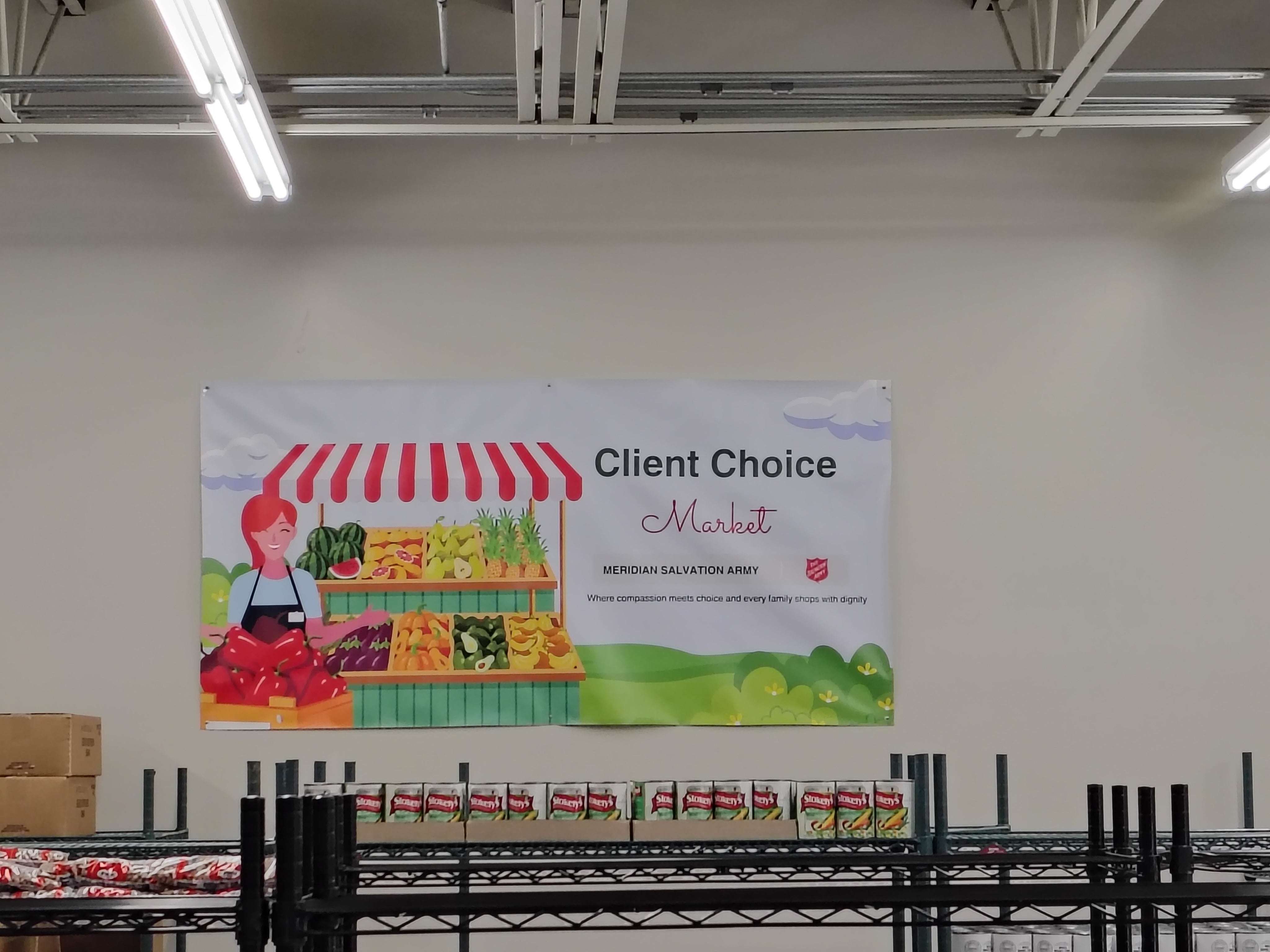
To understand why this gift matters so much, you have to understand the woman who shaped Barbara’s life.
It was 1937, and the country was still carrying the weight of the Great Depression. In a season of hardship and uncertainty, Eloise saw a need for something girls in her community had never truly had before: a faith-filled camp experience of their own.
So Eloise built one.
She found the land on top of Lookout Mountain and a way to fund it. She wrote the songs, created the programs, established the traditions, recruited the girls, and shaped life at the camp. What she built was more than a summer camp. It was a place where girls could grow in faith, confidence, joy, and friendship.
Founded in 1937, that first camp was Camp DeSoto in Mentone, Alabama. Then, in 1947, as families were beginning to rebuild after years marked by war and hardship, she founded Camp Skyline Ranch. In both places, Eloise gave young women something bigger than recreation. She gave them new experiences, a wider view of the world, and memories rooted in faith and belonging.
Each summer, camp ran for eight weeks, divided into two four-week sessions, and faith was woven into every part of it. On Sundays, the girls wore white and walked proudly into worship to “Onward, Christian Soldiers." But Eloise was not all structure and tradition. She was fun, she liked fun, and she believed the campers should experience that too.
And that fun was not accidental. Eloise created what campers remembered as the “fun calendar” — a huge, colorful calendar hanging outside the camp office door. Each day supplied a new adventure: a special event, a surprise, an Eloise-inspired game, Christmas in July, or some other mischievous bit of camp fun Eloise had dreamed up. The girls loved that calendar and would hurry to it, eager to see what new fun the day would bring.
And like so much of what Eloise created, camp was never only about what happened during the day. Some of the most lasting moments came at night. The girls gathered in the middle of camp around a great campfire, the flames rising up while the light flickered across their faces. They sang songs to the Lord, listened to counselors share from Scripture, and sat together in that beautiful hush that comes when children are happy, tired, and completely at peace. It was beautiful to look around and see the glow of the fire on the girls’ faces as they sang. And at the end of the night, Eloise would always stand and call out, “Good night, campers,” and the girls would answer back to one another, “Good night, Campers.” It was one of many simple traditions that stayed in their hearts.
And then there was the highly anticipated trip.
In a time when families did not just casually leave town for vacation, travel was a luxury, not a given. For many of the girls, camp itself was already a bigger world than the one they knew at home, but Eloise wanted to take them even further.
So during each four-week session, the girls packed sack lunches, loaded up together in a large caravan, and headed to Gatlinburg, TN, and Cherokee, NC, for a two-night adventure. They rode together, stayed overnight in school gymnasiums, and ate by the streams, sitting on rocks with their lunches in places that must have felt a long way from home. For many of them, it was likely one of the first times they had ever seen life beyond the boundaries of their everyday worlds.
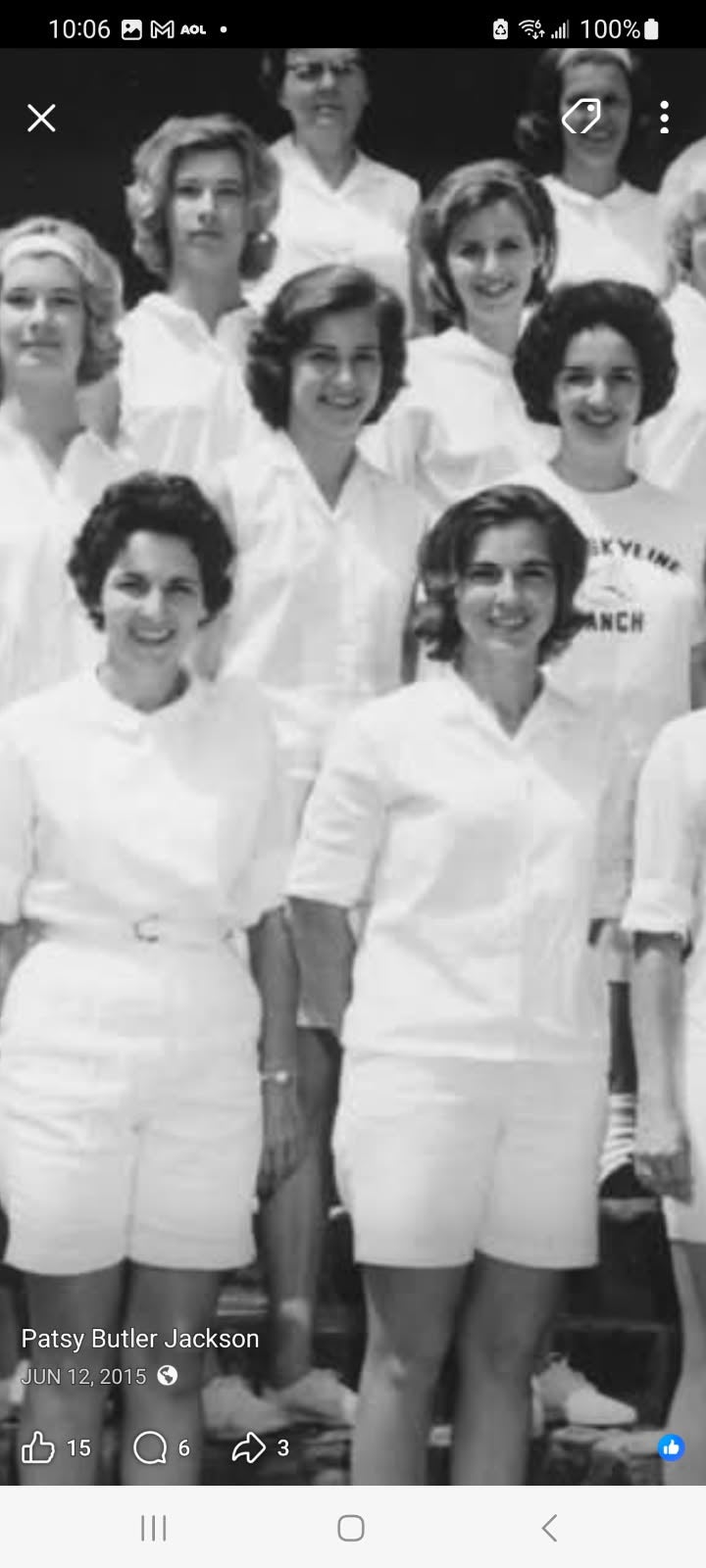 (Above) Counselors at Camp Skyline
And when the girls headed out for Gatlinburg, they did not go in polished modern buses with movie screens and wireless phone chargers. They traveled in three big open-air trucks with benches running along each side and down the middle, where the girls sat back to back and facing in, wind in their faces as they sang the whole way to Gatlinburg. It was joyful, loud, simple, and unforgettable — exactly the kind of adventure Eloise wanted them to have.
That tradition did not happen because it was easy.
There was no internet, no easy booking, no quick way to line things up. It all had to be done the hard way. Eloise picked up the phone, called school principals, told them the story of what she was doing for these girls, and asked if they could use the gyms and facilities for two nights. And, year after year, for decades, they said yes. She knew how to bring people into a vision. She knew how to rally support. And she knew how to turn what little she had into something unforgettable.
She used that same determination to bring girls to camp in the first place. As a single mother who also substituted as a principal and teacher during the school year, Eloise somehow found the time and energy to also recruit campers for the upcoming summer during those long winter months. On weekends, she traveled to towns where she had camp representatives who would gather neighborhood girls and their friends in packed living rooms, where they crowded onto couches and the floor with snacks and laughter, waiting for a picture show to begin. Eloise would set up her 16-millimeter projector, thread the film through by hand, and captivate them with moving pictures of camp — enough to let the girls imagine themselves there before they had ever packed a bag. Applications would be filled out and eagerly handed in before she left for the next town.
Yet, somehow, camp never seemed to swallow up home. What Barbara remembers most is that when her mother was with her and her brother, she was fully their mother.
Looking back now, it is hard to imagine how Eloise carried it all. With little more than a telephone, a phone book, long-distance calls, and sheer determination, she pulled together the staff, a nurse and infirmary supplies, the dining room equipment and full-time cooks, the transportation and logistics, the leasing of horses from local farms, and all the moving pieces that made camp feel like home for 200 girls each summer.
That same instinct to build something meaningful showed up long before camp.
Before founding those camps, Eloise had already created the first festival and parade of its kind in Meridian, one in which every child in the public schools could participate. Every child had a place. Every child was included. That mattered then, and it matters now. It reflected the same thing that seemed to define her whole life: She saw what was missing and built it.
Barbara remembers that her mother’s generosity reached far beyond programs and traditions. After camp season ended, Eloise continued serving Meridian families who were struggling, taking food into underserved neighborhoods, helping churches, and responding when people came asking for support. Barbara recalled one moment when an older woman needing help for a church came to her porch. Eloise went inside, came back out, and handed her a $100 check. In the 1950s, that was no small gift. The woman’s reply, as she looked back over her shoulder gratefully, would be remembered by the women standing near and retold to Eloise affectionately by the generations of those she helped: “Miss Temple, you sure do come in handy."
And that was the life behind the words Barbara still carries:
“Bunny, you have to be generous. You have to give till it hurts.”
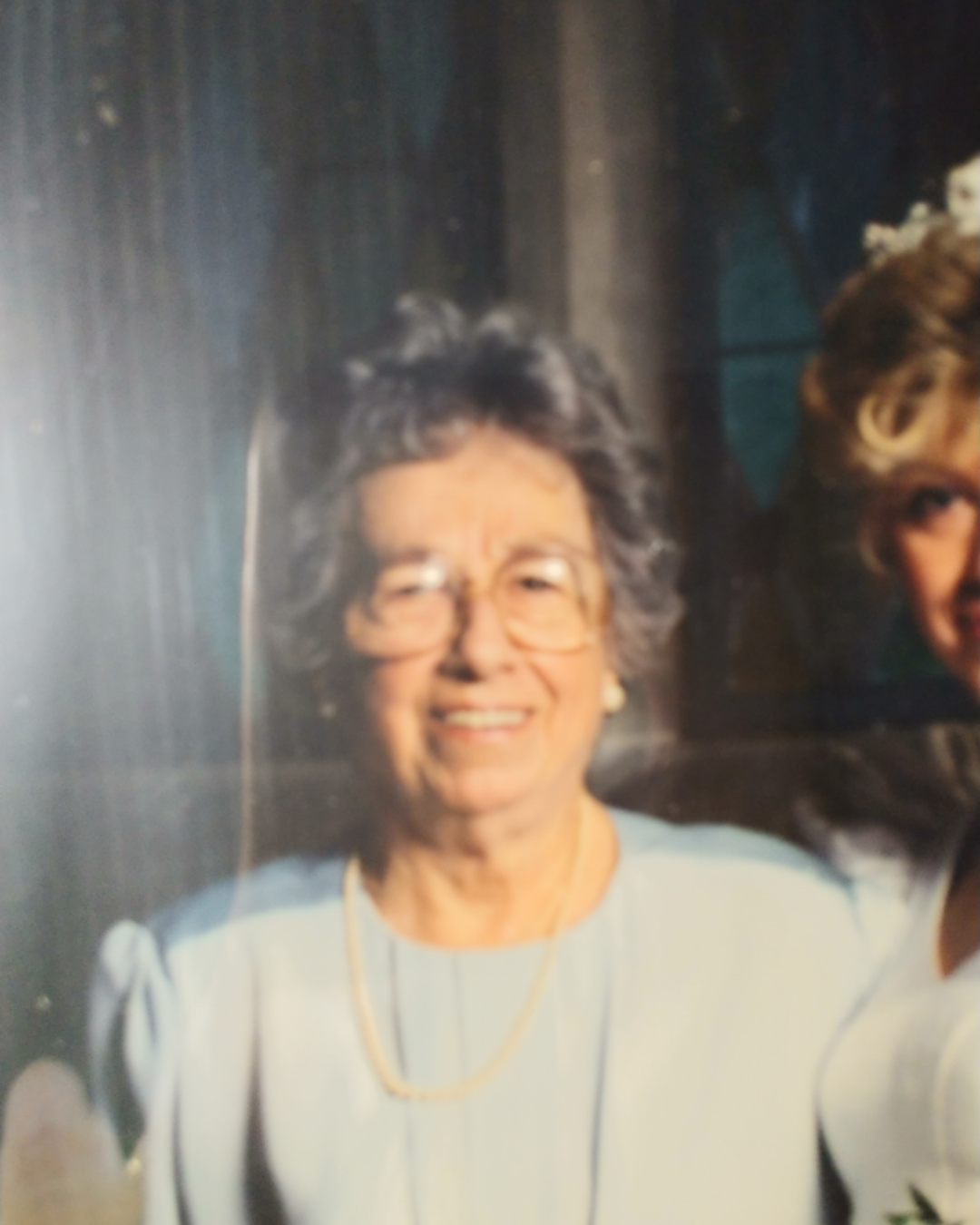
That lesson stayed with her. That is the kind of impact Eloise Temple (Pictured Below) had. She shaped generations.
That same generous spirit also helped give rise to what would become Camp Laney. In the late 1950s, Louise Laney — one of Eloise’s longtime friends and camp representatives in Tuscaloosa, AL — was married to a University of Alabama football coach, Malcolm Laney. When Coach Paul “Bear” Bryant arrived and brought his own staff, Eloise did what came naturally to her: She started thinking about ways to help the Laney family. She opened Camp Skyline two weeks early for two summers and invited Coach Laney to bring boys to camp before the girls arrived to provide him with income. It was an instant success, but after that second summer, Eloise told Barbara with a mix of humor and exasperation that those boys were rough and were tearing up the camp equipment. Eloise hopped in her station wagon and found land down the river and took Coach Laney to see it and told him he should buy it and that Barbara — just 16 years old — would run his office that first year.
And she did.
Barbara spent that summer setting up the office, stocking the little store — her favorite part — figuring out the treats and the routines, and helping prepare application materials and songs for the new camp. Barbara is glad to give Coach Laney credit for building a strong and lasting camp, but she is equally grateful for the kindness, vision, and practical help her mother gave to start Camp Laney. It is still going strong today.
That is what Christian legacy looks like.