From Handouts to Hope: Redefining the Food Pantry Experience
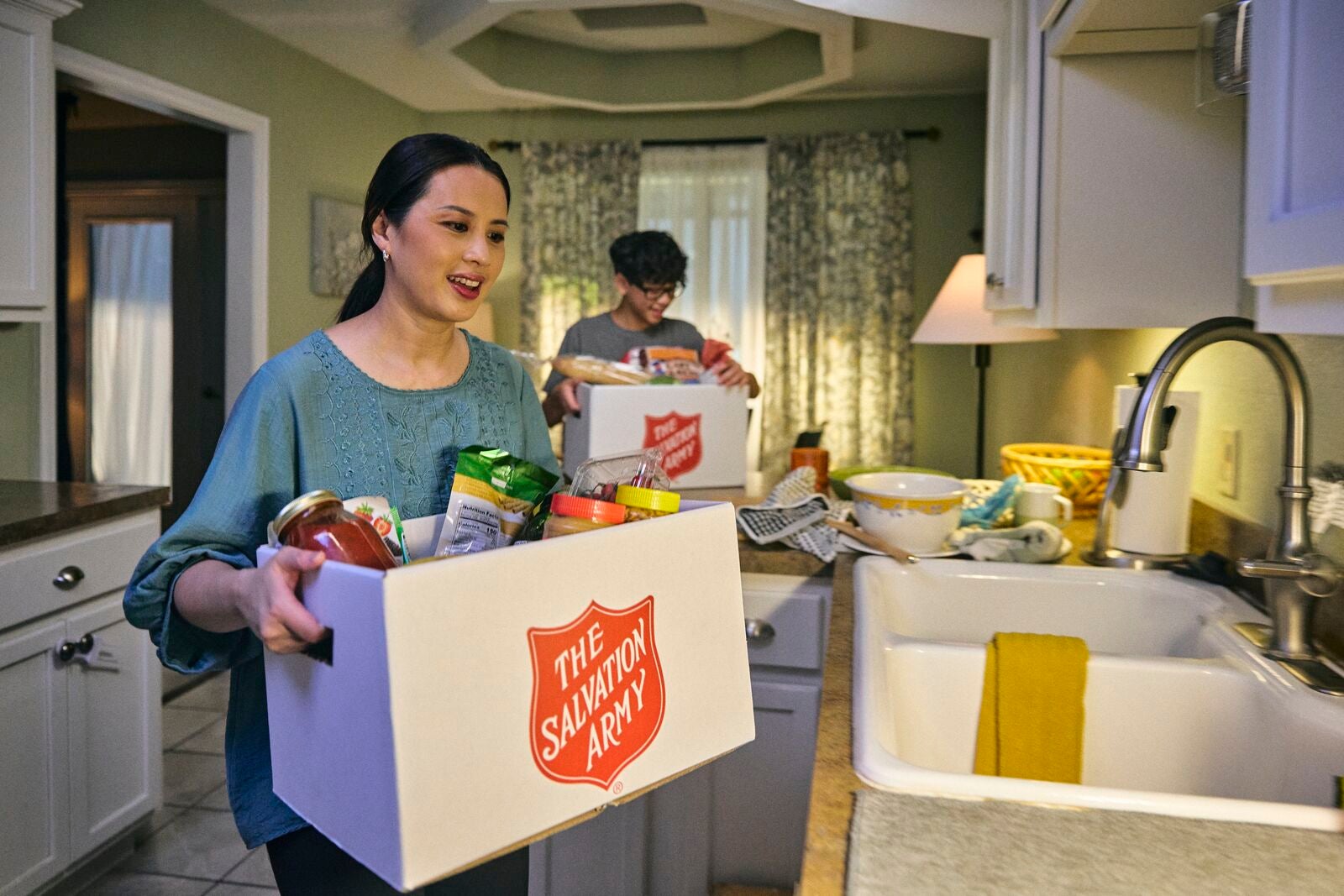
When someone walks into a food pantry, they’re not just picking up food. They’re trying to take care of the people they love.
For years, most food pantries handed out pre-packed boxes. Those boxes helped in the moment, but they didn’t always reflect what a family actually needed or would use. Maybe there were ingredients someone had never cooked before. Maybe the kids wouldn’t eat it. Maybe it didn’t work with a medical diet.
Every household is different. So why should food assistance look the same for everyone?
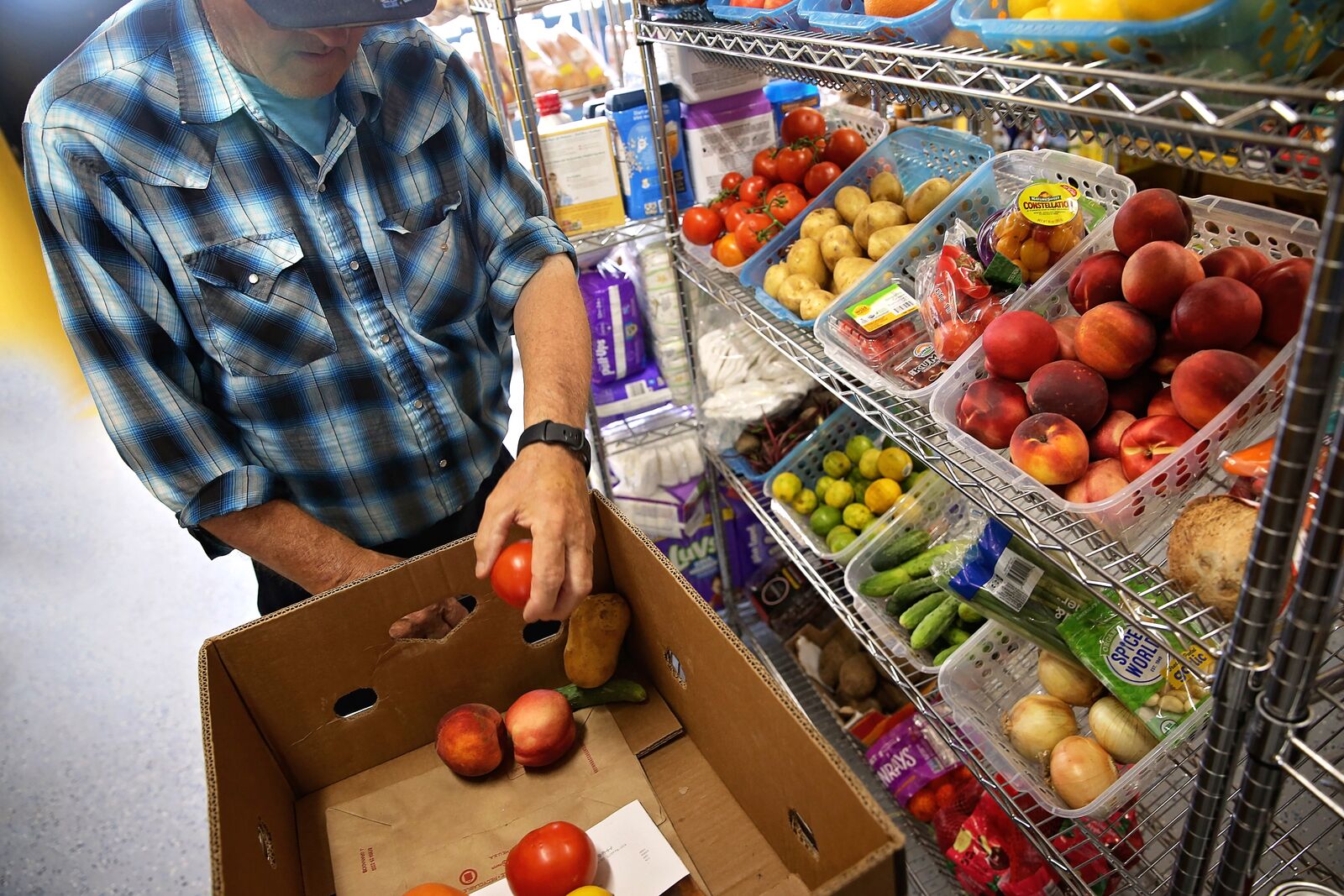
That’s why many Salvation Army locations are moving toward something called a client-choice food pantry. Instead of receiving a box, families shop for their groceries in a market-style setting. They choose what works for them.
It’s a simple shift. But it changes a lot.
Does letting people choose actually lead to healthier eating?
A lot of people assume that if you let families choose their own food, they’ll just grab the least nutritious options.
Research suggests that isn’t what happens.
A study funded by the National Institutes of Health (NIH) have found that when fresh foods are available and displayed thoughtfully, people tend to select balanced combinations. When fruits, vegetables, dairy, and lean proteins are easy to see and access, they move quickly.
There’s another benefit too: less waste.
Think about it. If you receive dried lentils but don’t know how to cook them, they may sit in a cupboard. If you’re managing diabetes and receive foods that don’t fit your diet, they may go unused. But when you choose your own groceries, you’re far more likely to take home food that will actually make it to the table.
Many Salvation Army “Hope Market” locations also use small design choices that make healthy options easier to spot. Fresh produce is front and center. Whole grains are easy to find. It feels less like standing in line for a handout and more like shopping for your family.
Why choice matters beyond the food itself
The benefits of client choice food pantries go way beyond the grocery list:
-
Dignity is the Main Course: Walking down an aisle with a cart removes the "handout" stigma. It turns a "recipient" into a "guest."
-
Allergies & Special Diets: If you’re looking for food pantries where you can select groceries for dietary allergies or medical needs (like heart-healthy or gluten-free), the choice model is a lifesaver. You take what's safe for your kids and leave the rest for someone else.
-
Real-Life Skills: Shopping with a point system helps our guests practice budgeting in a low-stress environment, which is a huge step toward long-term stability.
Spotlight: The Salvation Army’s "Hope Markets"
If you’re wondering which food pantries provide the most dignified shopping experience, look no further than these innovators in our network:
-
The Hope Market (Bellingham, WA): This place feels more like a boutique grocer than a pantry. It’s got bright lighting, fresh produce misters, and a layout that invites you to take your time.
-
Fountain Square (Indianapolis, IN): They swapped the bags for aisles, allowing moms like Tamica to pick out the specific meats and eggs her kids love, ensuring her home-cooked meals actually feel like home.
-
Puyallup Hope Market (Washington): A gold standard for families with complex medical needs or sensory sensitivities, offering a calm, supermarket-style atmosphere.
Every location looks a little different because every community is different. But the heart behind it is the same: food assistance should feel supportive, not stigmatizing.
Help Us Keep the Shelves Stocked
The Salvation Army serves over 180 million meals every year. When you support a choice-model pantry, you aren't just "feeding the hungry"—you're empowering a neighbor.
Want to see a Hope Market in action or find one near you? Click here to find your local Salvation Army.
FAQ
What is a client-choice food pantry?
It’s a pantry where families select their own groceries instead of receiving a pre-packed box.
Is this model healthier?
Research suggests that when fresh foods are available and thoughtfully displayed, families often make balanced choices and waste less food.
How can I find one near me?
Use our locator to find a Salvation Army food pantry or Hope Market in your community.