Denver Harbor Light graduation projects build skills for lasting change
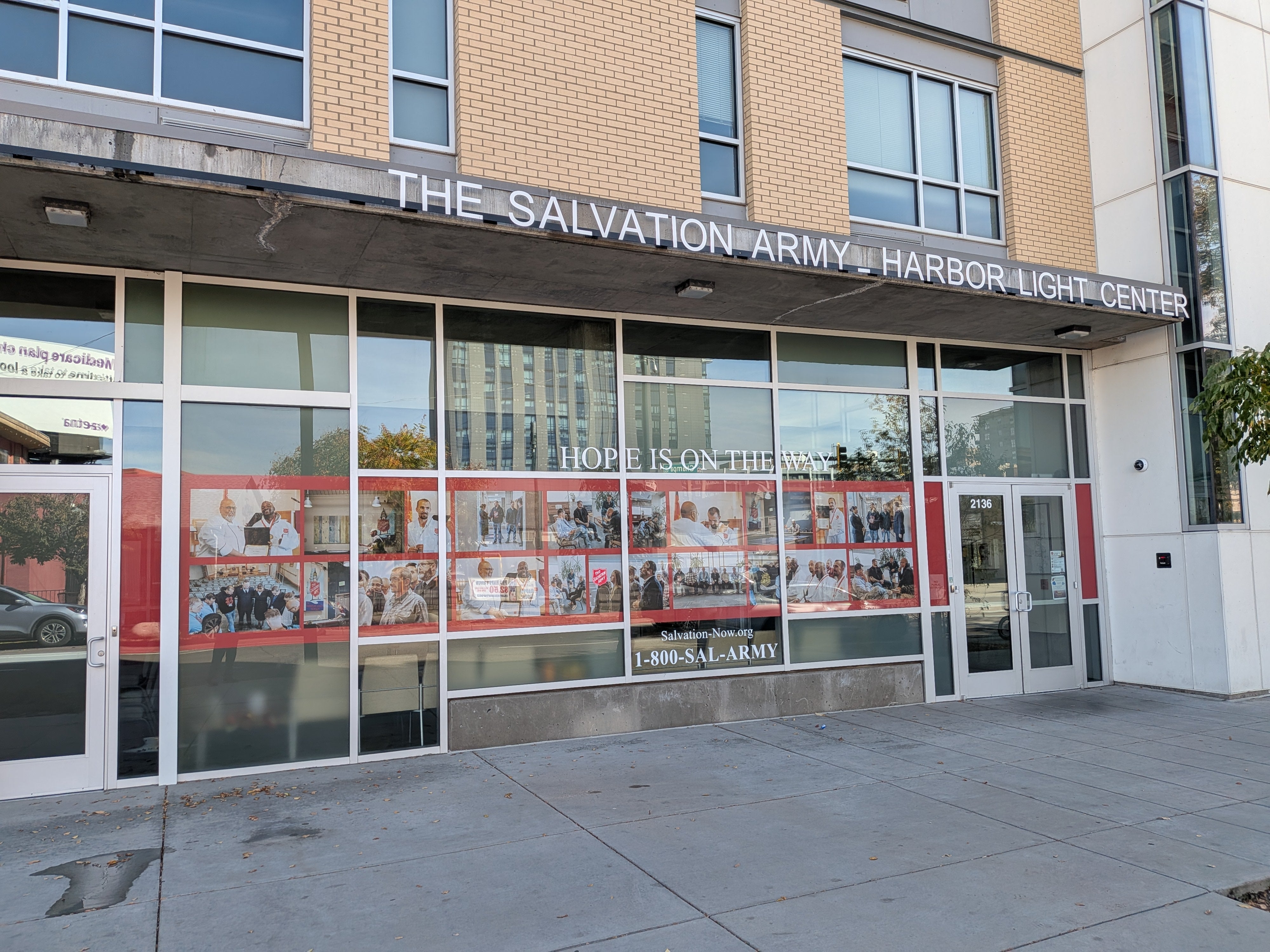
Participants take ownership over next steps through personalized graduation projects
At The Salvation Army Denver Harbor Light Center, men nearing the end of the residential recovery program take on one final step before graduation: developing a project that reflects their recovery journey and gives back to their community.
For some, that means sharing their stories through art, poetry, music and other forms of expression. For others, it looks like bringing people together through celebrations, group outings or community service projects.
While it’s a requirement for graduation, the projects vary in size and scope. Each is designed to encourage creativity, build confidence and help participants practice skills they can carry into life beyond Harbor Light.
“They have to tap into that side of their brains and come up with something that feeds their souls, but that also gives back to their communities,” said Harbor Light Program Director Marah Beltz.
Some projects strengthen connections among men at Harbor Light, while others help them build relationships outside of the program, Beltz said.
Participants typically begin planning their projects about a month before graduation, developing their ideas with guidance from Harbor Light staff.
While Harbor Light provides some financial support for the project, participants are encouraged to take responsibility for most of the planning and find ways to cover additional expenses. For larger events, this often involves working with local businesses to secure donations or discounts.
Beltz said taking ownership of a project helps participants discover and develop their strengths while learning leadership.
For some individuals, that means taking on responsibilities they've never handled before.
“We’ve seen projects help with self-esteem and self-worth. They can also help with certain skills, soft skills, computer skills and various forms of communication,” Beltz said.
Recently, a participant arranged a meeting with Beltz and a local business when planning his project. Having never formally requested or scheduled a meeting before, he surprised himself.
“He told me how professional he felt and how he didn't realize how capable he was,” she said.
Recent graduate Robby Duffy organized a volunteer outing to the Food Bank of the Rockies, bringing together 30 men from Harbor Light to help process and prepare food for distribution.
Within just three hours, the group processed 67,979 pounds of food across 102 pallets, the equivalent of 56,201 meals.
Beltz said many of the men had never volunteered before.
“They're able to get into that mind state of, ‘OK, service, it can help me with my recovery,’” she said. “They feel good helping others and are eager for more of that outlet.”
Impressed by the men’s work, food bank staff expressed interest in future opportunities to work with Harbor Light participants.
“Projects like that help the men, but they benefit the center just as much because now we have a new relationship with a community organization because of Robby’s work,” Beltz said.
Beyond the practical skills participants develop, projects like Duffy's also reflect two of the four major dimensions of recovery identified by the Substance Abuse and Mental Health Services Administration (SAMHSA): purpose and community.
SAMHSA identifies meaningful daily activities, opportunities to contribute to community and supportive relationships as important elements of long-term recovery.
Some projects leave a lasting impact at Harbor Light, too.
Joel Beaumont, a Harbor Light graduate who later returned to work at the center as Intake Coordinator, helped establish what has become an annual community barbecue.
In 2024, Beaumont organized a barbecue for approximately 70 residents, alumni and program supporters as his graduation project, securing donated food, entertainment and roughly 30 raffle prizes.
“I just went into it with the mindset that I was going to work to get all of this stuff donated or for free,” Beaumont said. “I just told local businesses who I was and what I was planning, and the response was positive.”
The initial barbecue was the first of two events Beaumont hoped to organize. For the second, he wanted to invite the broader community to a local park, where attendees could enjoy food and learn about addiction recovery resources.
Before the second barbecue took place, Beaumont was sentenced to prison in a pending court case. Harbor Light staff and fellow participants carried out his plans, welcoming approximately 120 people to the park.
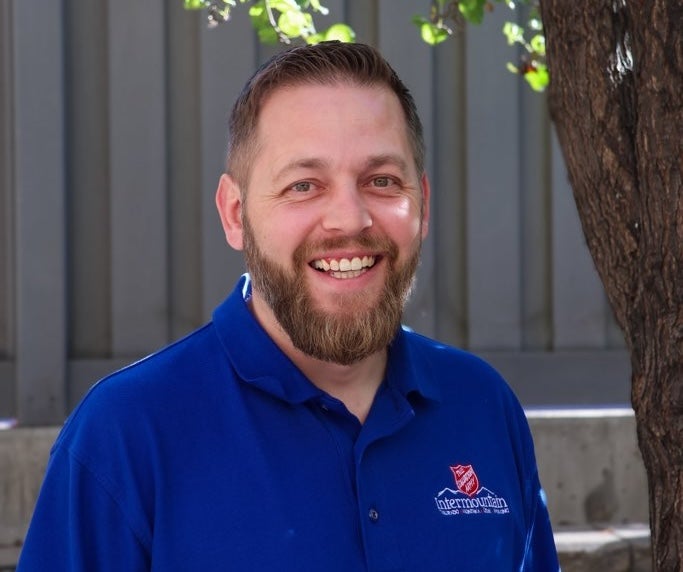
Joel Beaumont
Staff called him during the event, he said, letting him know how well it was going.
“It was one of those things that was hard to hear going on because I couldn't be a part of it and couldn't help the way I wanted to,” he said. “But I felt so happy and accomplished knowing it was a success.”
After his release, Beaumont reconnected with Harbor Light to volunteer and eventually accepted the role on staff. He helped organize the June 2026 barbecue, continuing the event he first envisioned years ago.
Today, Beaumont shares his experience with men considering the program, helping them feel more comfortable taking that first step.
He also conducts phone interviews with men who are incarcerated, talking with them about Harbor Light and helping determine whether the program might be a good fit.
“I'm just happy to be able to give back and to feel like I found a calling in my life,” he said. “It's all thanks to God and where he’s placed me.”
Beltz said she hopes the relationships formed through graduation projects will continue to grow, giving men a stronger sense of community beyond the program.
“Harbor Light is not their last stop,” she said.