Changing the Story: Where Hope Finds a Home
Changing the Story: Where Hope Finds a Home
Every night in America, more than 771,000 people go without a safe to sleep. Behind that number are people of all ages and walks of life, families trying to make ends meet, veterans who once served their country, and young people stepping into adulthood without a stable home. Homelessness is not limited to one city or one story; it touches communities around the world, in ways both visible and hidden.
The fight against homelessness is more than providing a roof to sleep under. It’s about restoring dignity, rebuilding lives, and rekindling hope, and The Salvation Army has long been committed to meeting human needs without discrimination, offering support, shelter, and hope to anyone who turns to us. Across the nation, our programs provide not just emergency relief but pathways to lasting stability.
This November, as we observe National Homelessness Awareness Month and Youth Homelessness Awareness Month, we invite communities to see the scale of the issue and act with compassion. Because when we give, we don’t just meet needs. We give joy.
The Unseen Crisis
Homelessness in America is not always what it seems. It’s easy to imagine it as a single image, a person on a park bench or holding a cardboard sign, but the reality is far broader and often invisible. Families, veterans, children, and working adults are all part of this growing crisis. On any given night, hundreds of thousands of people in the U.S. go without a space to call home.
Behind the numbers and statistics are countless stories of resilience and heartbreak. But to truly make a difference, we must first understand what drives homelessness, and what too many people still misunderstand about it.
Myth vs. Reality: The Real Face of Homelessness
Myth #1: “Homelessness only affects people who don’t want to work.”
Reality: Many people who experience homelessness are working, sometimes full-time or multiple jobs at a time, but still cannot afford rising rent and basic living costs. The gap between wages and housing prices continues to widen across the nation, leaving even employed individuals without stable homes.
Myth #2: “You can spot homelessness when you see it.”
Reality: So much of homelessness is hidden. Families living in cars, teens staying with friends, and people rotating between motels or couches don’t always “look” homeless, but they’re still without safe or stable housing.
Myth #3: “It’s a permanent situation.”
Reality: Homelessness is often temporary. Many who receive timely help, like emergency shelter services, rental and utility assistance, or job training, can stabilize within weeks or months.
When we trade judgment for understanding, we begin to see the real story, one shaped by complex circumstances, not simple choices. That understanding leads us to the next question: what causes homelessness in the first place?
Understanding the Crisis
There’s rarely one single reason someone becomes homeless. Instead, it’s often the result of interconnected challenges, a web of pressures that make stability hard to sustain.
-
Rising housing costs: The price of rent continues to outpace wages in most U.S. cities, forcing many families to choose between housing, food, and medicine.
-
Poverty and unemployment: Economic insecurity is one of the strongest predictors of homelessness, especially for single parents and low-wage workers.
-
Domestic violence: For thousands, especially women and children, escaping abuse means leaving everything behind, often without a safe place to go.
-
Mental health and addiction: Without accessible care and community support, individuals facing mental illness or substance use disorder are at increased risk of losing housing stability.
-
Systemic barriers: Veterans, foster youth aging out of care, and people with disabilities face complex systems that can make finding or keeping housing even more difficult.
These causes overlap and compound, and yet, amid the struggle, there’s still hope. Because when people find support, stability becomes possible again.
At The Salvation Army, we don’t just see statistics, we see stories waiting to be rewritten. Through faith, compassion, and practical support, we meet people where they are and help them find a way forward.
Lighting the Way: William Booth’s Mission
Homelessness and despair are not new challenges. These are struggles that have been faced by communities for generations. In the late 1800s, William Booth walked the streets of London and witnessed profound suffering. Families lived in poverty, children labored in factories, and countless men and women were trapped in cycles of destitution.
But Booth refused to turn away. He believed that no darkness was too deep for the light of God’s love. His guiding principle, “Heart to God, hand to man,” became the foundation of The Salvation Army, a mission devoted to addressing both spiritual and physical needs. Booth saw that restoring hope required meeting people where they were: offering compassion, support, and practical solutions to help them rebuild their lives.
This mission continues to drive us. Today, The Salvation Army continues Booth’s work across America, confronting homelessness with that same determination and faith. The efforts to provide shelter, housing programs, counseling, and community support are rooted in Booth’s vision: that every person deserves dignity, opportunity, and a place to belong.
Building the Foundation for Tomorrow
While William Booth laid the foundation more than a century ago, The Salvation army of today has so many more resources for those facing housing insecurity. The fight against homelessness continues today in communities across America.
The Salvation Army homelessness programs address the challenges facing individuals and families through a comprehensive network of services and classes that tackle both immediate needs and long-term stability. From emergency shelters to transitional housing, rental and utility assistance, and workforce development, these efforts turn hope into tangible solutions, helping people move from crisis to a brighter future.
When someone walks through The Salvation Army’s doors, the help they receive depends on where they are in their journey. For some, that means a safe place to sleep through emergency shelters that offer warmth, security, and a moment to breathe. But the story doesn’t stop there. Each person is met with compassion and a plan for what comes next.
Transitional housing programs help bridge the gap between crisis and stability, giving individuals and families time to save, heal, and prepare for long-term independence. Rental and utility assistance programs work to prevent homelessness before it starts, offering a lifeline to those facing eviction or financial hardship.
For many, rebuilding life involves more than finding housing. It’s about rediscovering purpose. Through rehabilitation services, workforce development, and job training, participants gain the tools and confidence to step forward again.
But true stability reaches beyond finances and housing. Family counseling, emotional support, and community connections ensure no one has to walk the path alone. Each story of success, each family reunited and each life restored, reminds us that The Salvation Army’s work is not about providing a bed for the night, but laying a foundation for tomorrow.
The transformation is more than physical, it’s deeply human. When someone once trapped by circumstance finds hope again, it’s a reminder of what compassion can build: not just shelter, but strength; not just survival, but renewal.
Restoring Dignity: The Human Impact of Hope
The true measure of success isn’t found in statistics or reports, but in the lives forever changed. Each number represents a name, a story, a person who found new strength through the compassion of others.
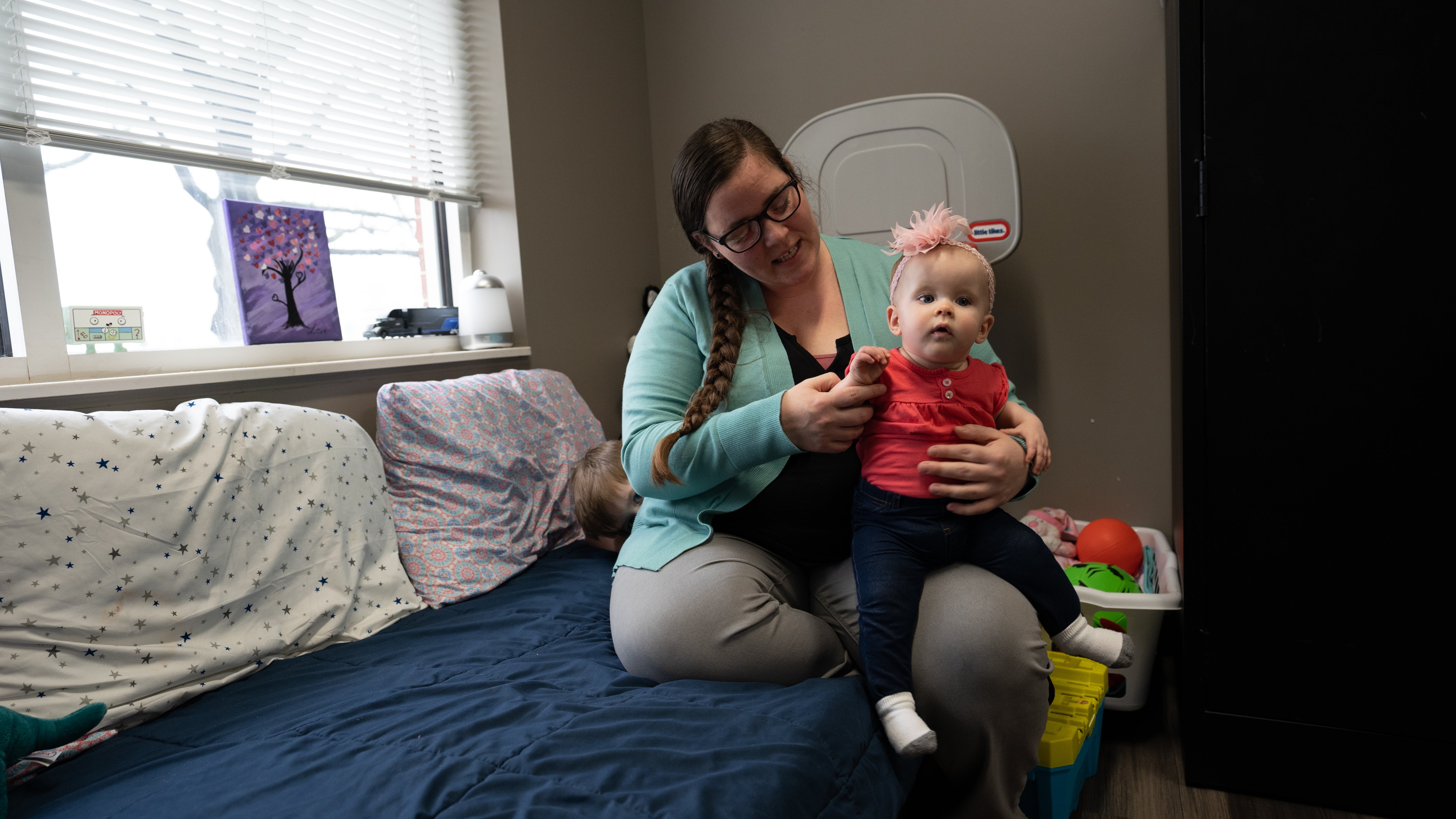
A mother once sleeping in her car now tucks her children into bed in a safe, stable home. A veteran battling addiction discovers purpose again through rehabilitation and job training. A young adult, once overwhelmed by financial instability, now stands confident with steady employment and a sense of belonging. These aren’t isolated moments; they’re everyday miracles happening in communities across the nation.
Behind every story is a network of support: donors, volunteers, and staff who refuse to let people slip through the cracks. Their commitment transforms assistance into opportunity, and what begins as a meal or a warm bed becomes a doorway to renewed dignity, connection, and purpose.
It takes all of us, working together, giving together, and caring together to make home possible. One act of compassion inspires another; one life restored often leads to someone becoming a volunteer, mentor, or advocate. The collective effort of our communities strengthens entire neighborhoods and ensures that no one walks the path alone.
And in that shared effort, joy blossoms. Those who give, whether it’s their time, resources, or word of mouth, often find themselves transformed too, discovering that giving joyfully is as powerful for the giver as it is for the receiver. Because hope, when shared, multiplies. With each person restored, the foundation for a stronger, more compassionate world grows even firmer.
Give with Joy: Joining the Movement of Compassion
Every transformation we’ve seen, a family finding stability, a veteran reclaiming independence, a young person gaining hope and confidence, begins with people coming together. It takes all of us, working side by side, to turn moments of crisis into lasting change. And that’s where your impact begins.
This season, and every season, giving isn’t just about providing resources. It’s about sharing joy. Whether you offer your time, skills, or financial support, each act of kindness contributes to a larger story of hope and restoration. Volunteers, donors, and advocates together create a network of care that strengthens individuals, families, and entire communities.
You can make a difference in several ways:
-
Donate: Contributions support emergency shelter services, transitional housing, and programs that help families move from instability to independence. Every gift helps a someone in need every day.
-
Volunteer: Your time and talents bring joy directly to those who need it most, whether through hands-on service, mentoring, or supporting local programs.
-
Advocate: Share the message of hope and raise awareness about the homelessness epidemic. This is vital to bring more individuals into your local Salvation Army and into programs ready to guide them to stability.
Every effort, big or small, is a step toward a world where homelessness is met with compassion, and where joy is multiplied through shared action. When we come together to give with joy, we honor General Booth’s dream for light amidst the darkness, the mission of The Salvation Army, and the potential within every life to rise above hardship.
Restoring Hope, Sharing Joy
Homelessness is a complex challenge, but it is not hopeless. From the streets of 19th-century London to communities across America today, The Salvation Army has stood as a beacon of compassion, meeting human needs without discrimination and offering a path toward stability and joy.
Each effort, every meal served, every bed offered, and every act of kindness, contributes to a larger story of hope. When communities come together to give joyfully, they don’t just change lives; they transform futures. And in the process, those who give often find their own hearts lifted, discovering that compassion has the power to inspire, heal, and unite.
This November, as we recognize National Homelessness Awareness Month and Youth Homelessness Awareness Month, we are reminded that the fight against homelessness is ongoing, and that each of us has a role to play. By sharing time, resources, or simply raising awareness, we join in William Booth’s mission to “Do the Most Good” in our communities and continue the mission of bringing hope and joy where it is needed most.