Camp gives kids a place to connect to God, nature and each other
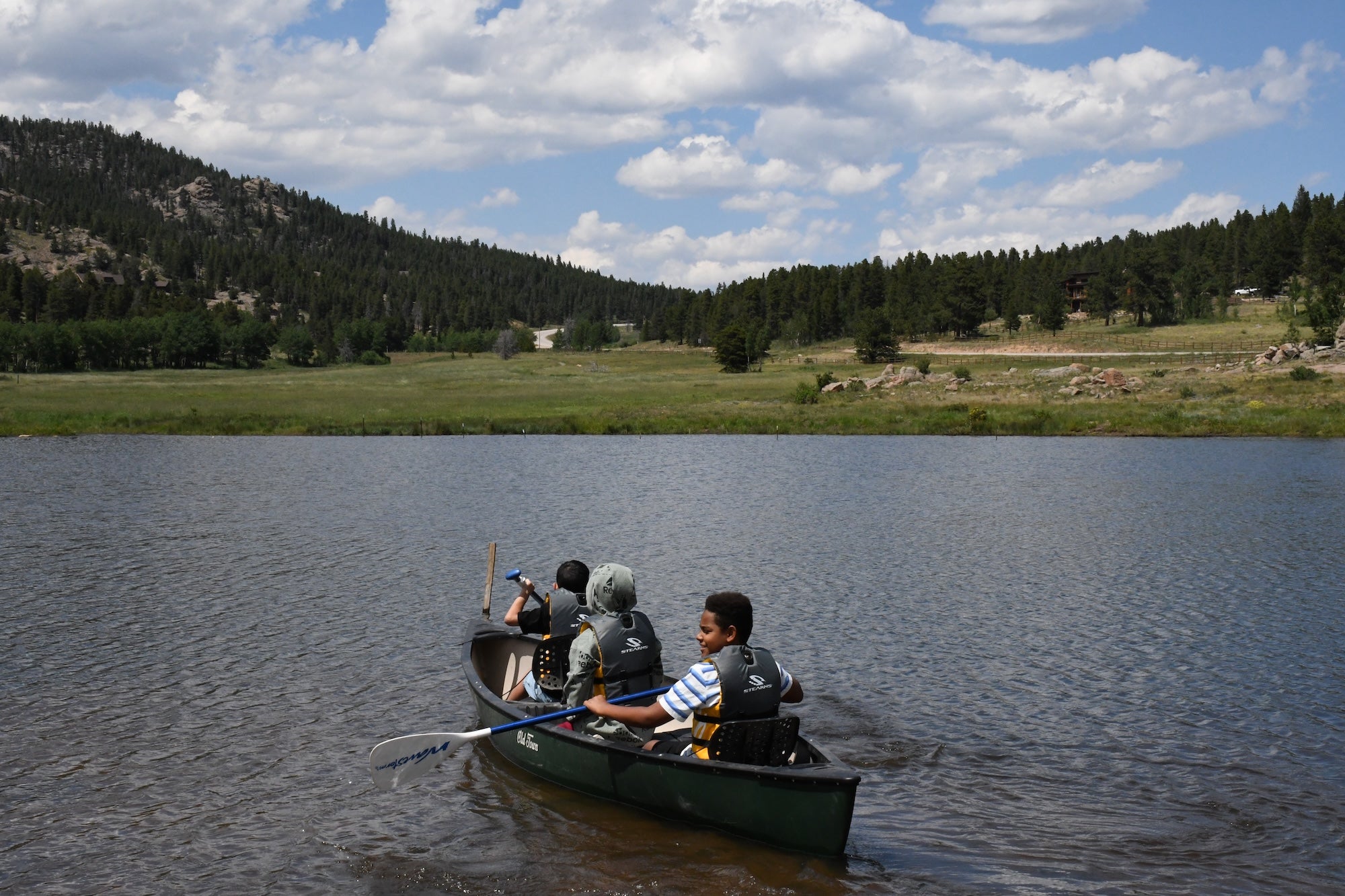
In a disconnected world, Salvation Army summer camps give kids a safe place to build meaningful relationships
This story is part of Caring’s 2026 print edition, “Joy That Moves,” featuring lives changed through the joy of giving. Read the issue here.
When Emmanuel Monge first arrived at The Salvation Army’s High Peak Camp in Estes Park, Colorado, at 13 years old, he was surprised to discover the quintessential summer camp experience existed outside of TV.
“They had everything,” Monge said. “They even had a campfire and we roasted marshmallows.”
Nestled in the Rocky Mountains, some 9,000 feet above sea level, High Peak Camp welcomes hundreds of kids ages 7-16 every summer. They arrive, duffel bags in tow, from Colorado, Montana, Utah and Wyoming. For many of the campers, the experience is completely new.
“For us to be fully immersed—to have a cabin and a dining hall, and to do a zip line and go mini golfing in the middle of the forest—it was a totally different perspective than what I was used to going out with my family,” Monge said.
At the time, Monge said he struggled with bullying at school and was nervous opening up to other campers. But by the end of the week, he had made friends—people he would look forward to seeing summer after summer.
Researchers note young people across the globe, like Monge, struggle to create meaningful friendships and support systems. Some 20 percent of teens worldwide experience loneliness, according to a recent report from the World Health Organization (WHO).
The report flagged several factors that may play a role: time spent online, social media use and changing social norms—and harms associated with loneliness, including poorer mental health and increased risk of cardiovascular disease.
Pressure to perform for their peers, extra responsibilities as family caregivers or academic struggles all create barriers for young people trying to build and maintain genuine friendships. But at The Salvation Army Western Territory’s 12 camps, those barriers begin to break down.
“It’s highly encouraged that kids don’t bring technology to camp,” said Alyssa Covert, territorial Youth Program Specialist. “There are so many things with social media—added stress levels and anxieties from ‘likes’ or how other people perceive you. But coming to camp, they can just exist in one-on-one physical interactions.”
While chaperoning trips to camp, Cole Thiec, Youth Program Specialist for The Salvation Army San Diego Command, has noticed campers don’t immediately relish the idea of giving up their phones. But as the week goes on, they ask for technology less and less.
“By Thursday, they’re really present in the moment and they forget phones exist and there’s a world outside of camp,” Thiec said. “They’re just present in God’s nature.”
And, because campers aren’t worried their embarrassing moments will be posted online, they feel free to act silly and have fun.
“It helps break down some of those walls,” Covert said.
Other walls—like differences between campers’ backgrounds or home responsibilities—break down in the daily rhythm of camp life. Campers receive three meals a day, can turn to staff for mentorship and spend hours under trees or in lakes. In this safe environment, immersed in nature, connections come easier, according to neuroscience educator Dr. Bonnie Robb.
“Physical activity and shared, positive, outdoor experiences increase neurotransmitters like dopamine, endorphins, and oxytocin, all of which enhance mood, motivation and social bonding,” Robb explained. “Being outside and off screens reduces the pressure and overstimulation of digital environments, allowing for more genuine, relaxed interactions. Altogether, these brain-based changes help young people feel more balanced, confident and connected, making it easier for them to build strong, healthy relationships.”
But Salvation Army campers don’t just bond over the outdoors. They also have the unique opportunity to bond over worship. Every day at camp, kids attend chapel, pray, learn from Scripture and talk about Christian life with their leaders. For Monge, the opportunity to worship with his camp community was particularly impactful.
“The people I would hang out with really let loose [during worship] and it made me feel comfortable and made me open up my heart and praise God for who he is,” he said.
These connections—with God and others—are the ultimate goal of Salvation Army camps.
“Not only is it a priority of ours to make camp a safe space where kids feel like they belong, but it’s also a place where we try and make sure they can feel God’s love,” Covert said.
Monge said encountering God’s love at camp was life changing. He reaffirmed his faith at High Peak Camp. And, after he aged out of the camp program, he became more committed to The Salvation Army Aurora (Colorado) Corps, leading worship and volunteering for youth ministry.
“Now, I’m the one teaching them, the same way I was taught,” Monge said. “I try to help as much as I can and be more involved because I realized this is another family that I found in camp.”