Pathway of Hope
Duluth Worship and Service Center Pathway of Hope Information
Duluth Worship and Service Center’s Poverty Services
We at The Salvation Army are dedicated to helping individuals and families in our area overcome poverty and achieve housing and food security. Our local office provides a range of programs and services designed to address the root causes of poverty and help people build better futures.
We understand that poverty can be a complex issue with far-reaching consequences. Our dedicated local team works closely with individuals and families in the community to assess their needs and connect them with appropriate resources.
By providing comprehensive support, we aim to equip individuals and families with the tools they need to improve their lives. We offer a variety of services to help people overcome financial challenges, find employment, and build stronger communities.
Whether you're facing a temporary setback or long-term poverty, we're here to help. Our goal is to help individuals and families break the cycle of poverty and achieve their full potential.
How You Can Help
You can help alleviate poverty in our community by:
-
Volunteering: Volunteer your time to support our programs and initiatives.
-
Donating: Your gift helps us provide essential services to those in need.
By working together, we can create communities where everyone has the opportunity to thrive by providing poverty assistance to those who need it.
Program Schedule
Timezone: -06:00 USA Central Time (DST)
Location: Duluth Worship and Service Center
- Target Audience: Families with children living in situational or intergenerational poverty.
- Primary Aim: Move families from crisis and instability to long-term stability and self-sufficiency.
- Key Obstacles Addressed: Unemployment, unstable or insecure housing, lack of job skills, poor educational access, and inadequate childcare.
- Dedicated Caseworker: Families are paired with a full-time case manager who coaches, guides, and supports them.
- Personalized Action Plan: The caseworker and family identify unique strengths and barriers to design a customized roadmap.
- Community Connections: Participants gain access to basic needs and external resources, such as food pantries, housing assistance, job training, transportation, and health services.
- Progress Tracking: Regular check-ins monitor milestones, celebrate successes, and re-evaluate goals—typically conducting a formal review at six months.
Breaking the Cycle of Poverty
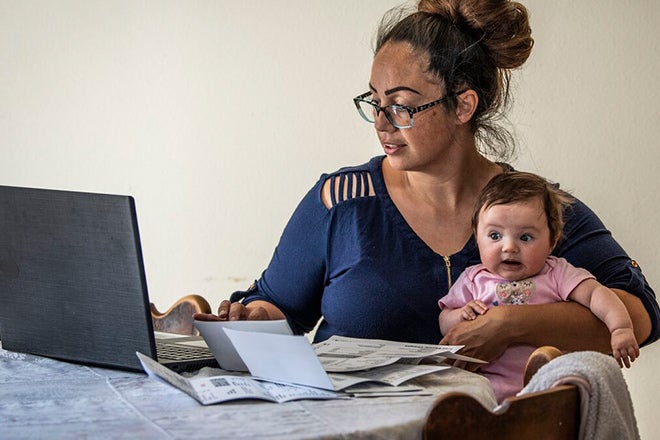
The Salvation Army’s Pathway of Hope initiative marks a pivotal shift to focusing on the core causes of poverty rather than treating the symptoms. Lack of job opportunities, unstable housing, limited access to free child care and an underserved educational environment can all be major challenges for someone looking to lead a self-sustainable life. With our help, people living in poverty can break the cycle of crisis and vulnerability and lead families down a path toward increased stability for years to come. It’s a pathway of hope for current and future generations.
Stats
14.80%
of adults in America currently live in poverty
1087
Corps Community Centers across the United States, providing localized programming to help individuals and families in their communities

Help break the cycle of poverty
Your donation is crucial for providing essential resources, like legal advice and child care assistance, offering support, and opportunities that help individuals and families break the cycle of poverty and build a better future.
Other Services